History Timeline
Explore decades of milestones, stories, and moments that shaped our history. Navigate by decade to discover what defined each era.

1920s
The Shannon Scheme marked Ireland's most ambitious industrial undertaking, a bold step toward energy independence. The decade saw the birth of the Electricity Supply Board and the construction of Ardnacrusha, transforming Ireland's relationship with electricity forever.
1925 - The Shannon Scheme Development
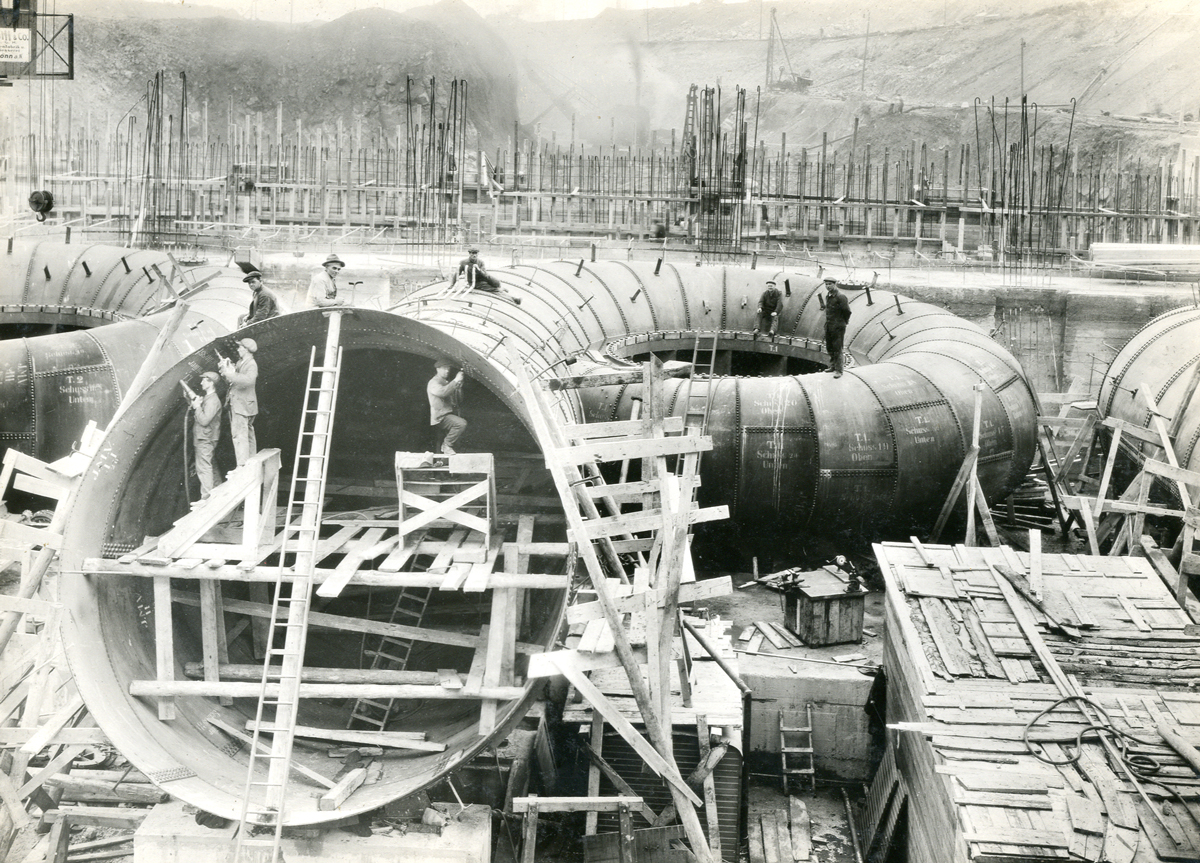
To progress industrially, Ireland recognised the need to develop and use its natural resources. Irish engineer, Dr. Thomas A. McLaughlin, proposed damming the River Shannon and building an electric power station at Ardnacrusha in Co Clare to bring power to towns and cities all around Ireland. The Irish government approved the Ardnacrusha scheme and works began on the site in September, 1925.
1927 - Electricity Supply Board Act
On the 11th of August the Electricity Supply Board was created, the first semi-state body in Ireland. McLaughlin was appointed the first Managing Director. The Electricity Supply Board Act passed in 1927 to set up ESB, the corporate entity responsible for controlling and developing Ireland's electricity network. At that time, more than 300 different suppliers were concerned with generating and supplying electricity in different parts of the country, including 16 local authorities and five major private companies. The gradual transfer of responsibilities to ESB required both engineering and administrative skills, and the development of these skills proved an important factor in ESB's subsequent success.
1928 - Advertising
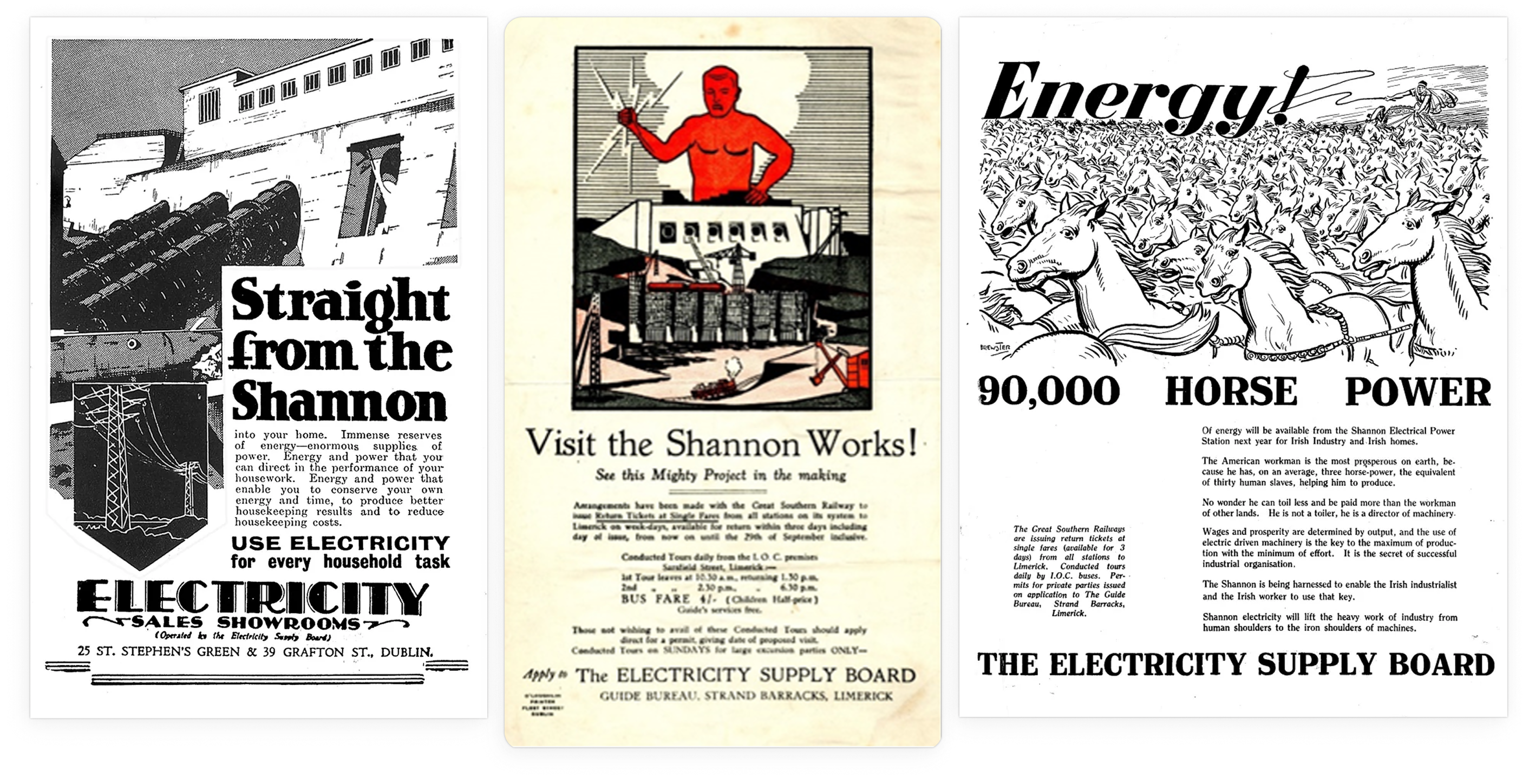
ESB recognised early that generating electricity was only half the challenge — persuading the Irish public to use it was equally vital. A major advertising campaign launched in the late 1920s to encourage domestic and commercial adoption, using posters, demonstrations and showrooms to promote the benefits of electric cooking, heating and lighting.
1929 - Ardnacrusha now operating
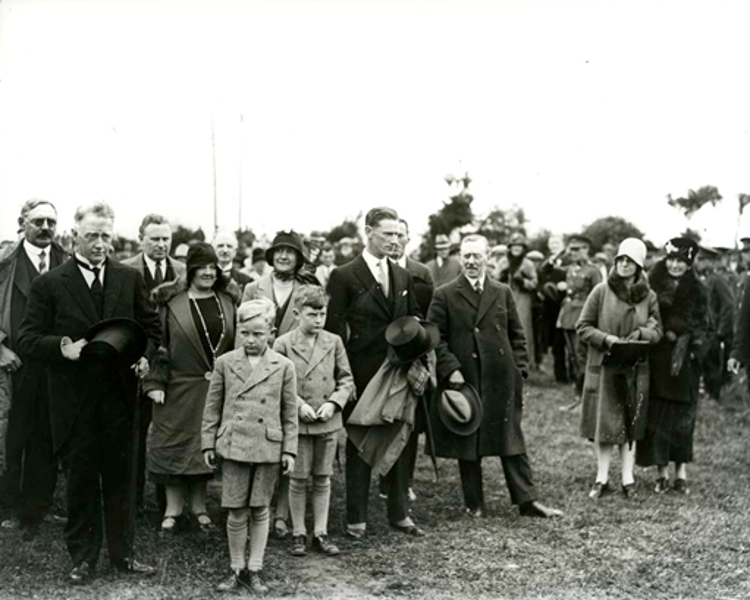
Ardnacrusha and new National Grid come into operation on August 11, 1929.
1930s
Building on the foundations laid by the Shannon Scheme, ESB expanded its reach across Ireland. Showrooms opened in major cities, connecting thousands more homes to the National Grid, while the Liffey scheme provided vital additional generating capacity.
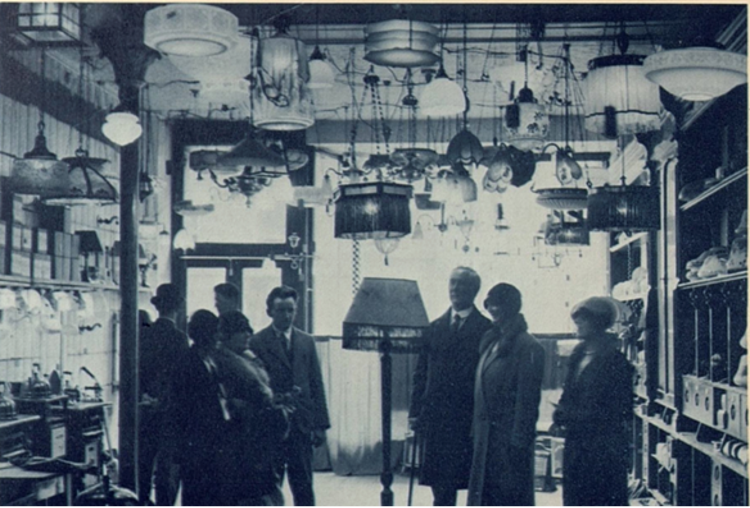
1930 - The showrooms
50,000 homes connected to the National Grid, 3 Generation Stations and opens Showrooms in St. Stephens Green, Portlaoise & Waterford.
1937 - Liffey scheme
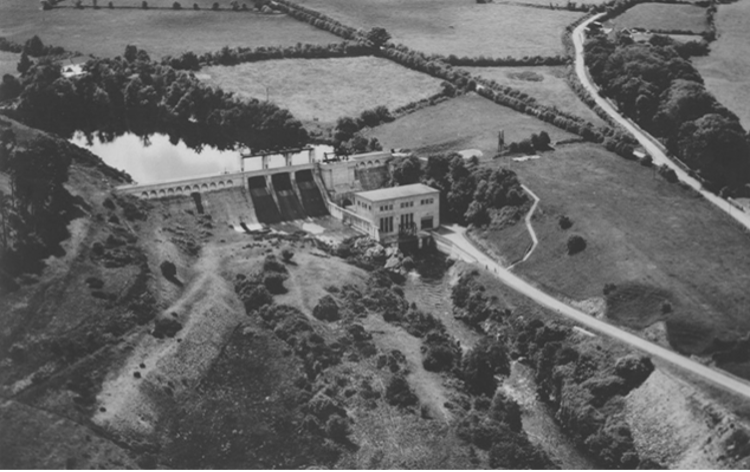
Liffey scheme approved. The scheme allowed the River Liffey to be used for water storage for the power stations at Poulaphouca, Golden Falls and Leixlip.
1940s
Despite the challenges of wartime resource scarcity, ESB pressed forward with a vision to bring electricity to every corner of Ireland. The landmark Rural Electrification Scheme launched in 1946, beginning a quiet revolution in the lives of rural communities.
1946- The Rural Scheme
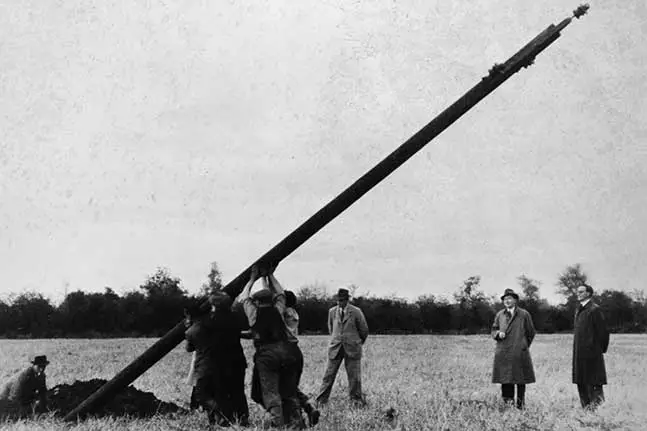
1946 sees the beginning of Rural Electrification. This visionary project involves the installation of electric infrastructure to power the people of Ireland – supplying energy, light and heat to help enhance the quality of life of all.
These networks and the power supplied enable the social, economic and industrial development of Ireland, helping it to grow from an underdeveloped peripheral region to one of the most developed countries in the world. ESB Networks continue to develop and refurbish the Irish electricity infrastructure to a world-class standard.
1950s
The 1950s saw ESB harness Ireland's abundant natural resources with the development of peat-burning power stations, reducing dependence on imported fuels while expanding the national grid to serve a growing population.
1950- Peat development
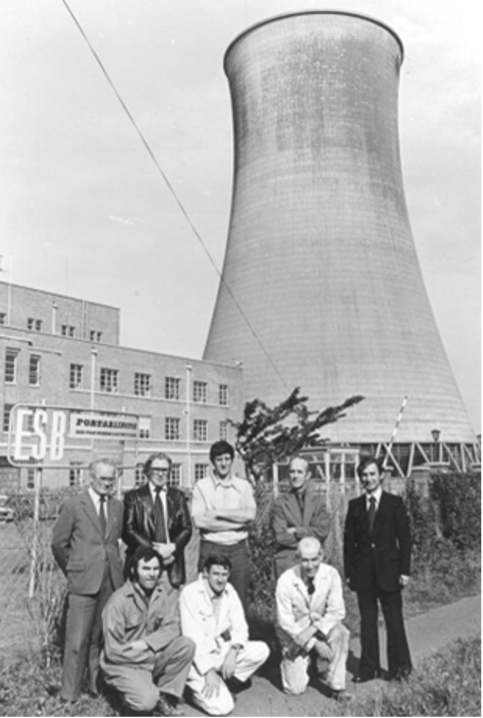
Between 1950 and the late 1960s, ESB installs more than 400 MW of generating capacity based on the use of turf at its Lough Ree and Shannonbridge plants. At one time, peat constituted approximately one third of ESB’s total capacity and was a valuable component of diversifying fuel sources. Peat development also had a large impact on rural development at that time, particularly in the Midlands area of Ireland. Both stations ceased generation of electricity at the end of December 2020.
1960s
A decade of modernisation and innovation. ESB embraced emerging technologies including Ireland's first major computer installation, while demand for electricity surged as homes and industries across the country embraced the electric age.
1964 - Early computers
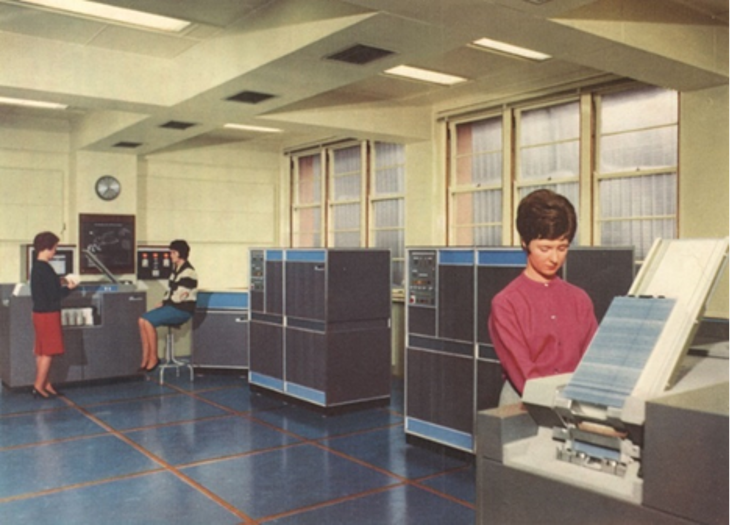
On 17th June 1964 Ireland’s largest computer installation went into operation in ESB. The two IBM 1401 computers were programmed to process 17,000 electricity accounts daily which involved 150,000 calculations daily
1968 - Turlough Hill construction begins
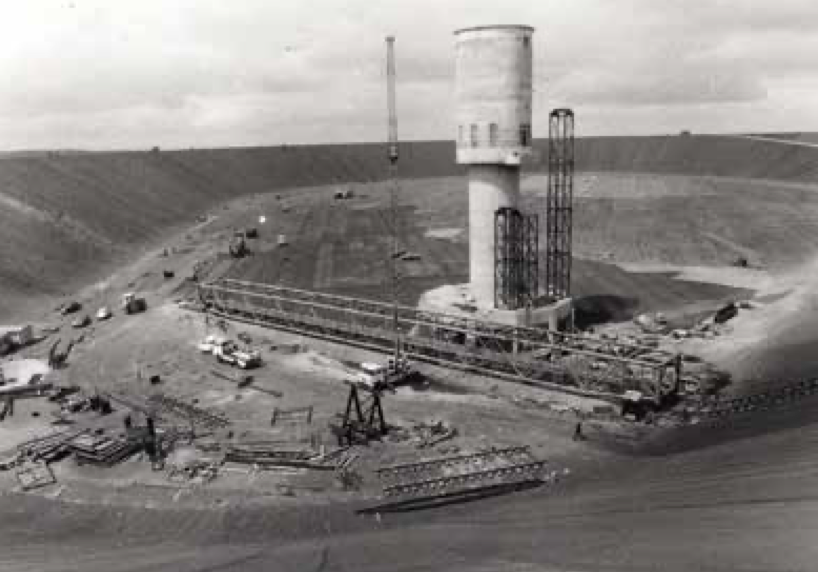
As Ireland’s population grows and demand for electricity increases, ESB recognises the need to meet this booming demand for power. To do so in an environmentally friendly manner, ESB designs and constructs a pumped storage hydroelectric station in Turlough Hill in Co Wicklow. This proves a unique and innovative civil engineering solution for Ireland at the time.
1970s
The oil crises of the 1970s tested Ireland's energy security, prompting ESB to accelerate domestic generation capacity. Turlough Hill, Ireland's only pumped-storage facility, came online, and ESB finally reached the last communities yet to receive connection.
1974- Turlough Hill brought into commercial operation
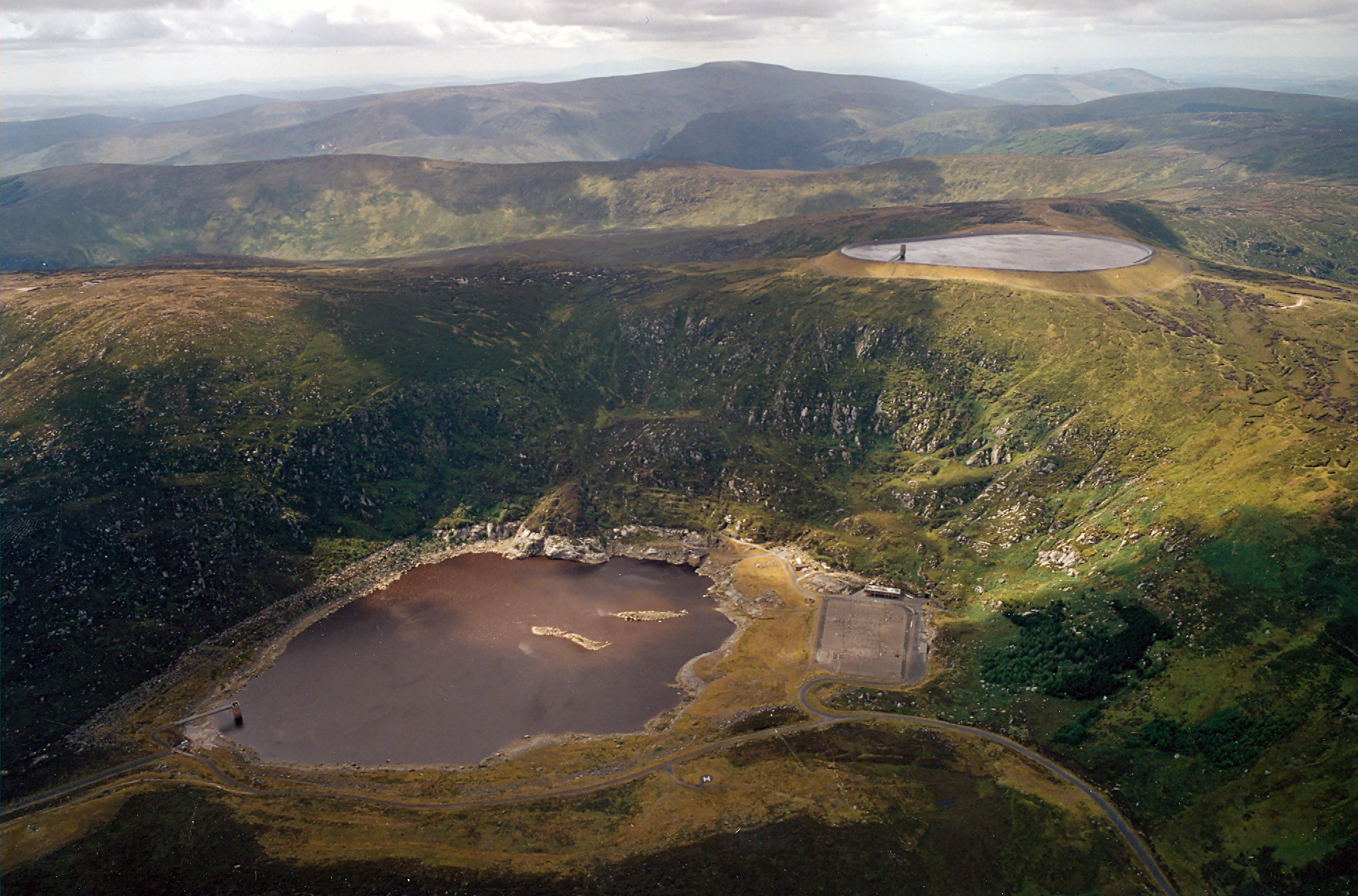
In 1974, Turlough Hill, Ireland’s only pumped storage power station, located in the scenic Wicklow Mountains, was brought into commercial operation.
1975- ESB International established
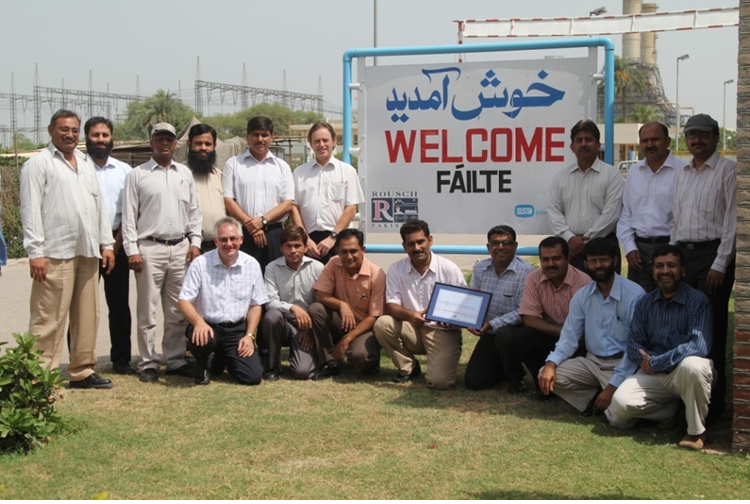
ESB International (ESBI), a leading global engineering consultancy specialising in the utility sector, establishes in 1975. ESB International focuses on the delivery of large scale, capital infrastructure projects for international clients and for its parent company, ESB. Since its establishment, ESB International has completed projects in more than 120 countries. Our world-class team helps clients around the world to deliver modern, efficient and dependable energy systems which can transform the economies and societies that they serve in.
ESB began its overseas consultancy operations by securing a lucrative contract in Bahrain in 1976, but it was to take another 12 years to put the legislative framework in place before ESBI could be formally established in 1988.
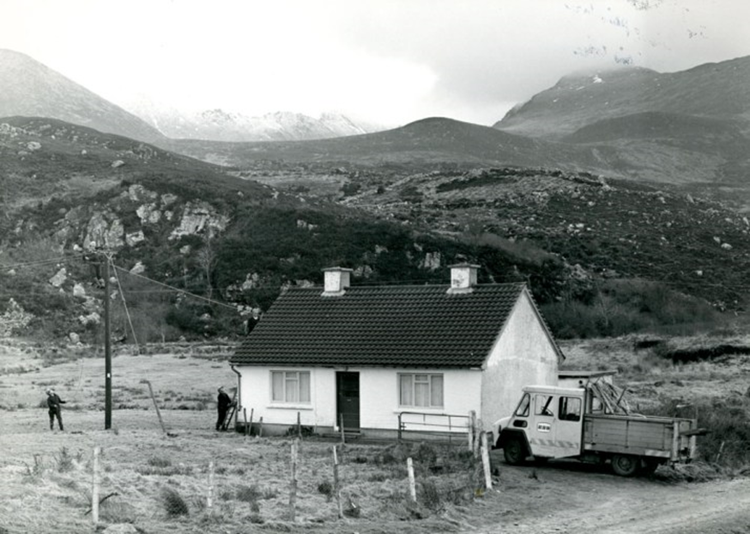
1979- Last mainland connection
Black Valley, Kerry connected as the last mainland area in the Republic to receive connection.
1980s
ESB continued to grow its generating portfolio with major new stations and deepened its community ties. The decade brought significant new coal-fired capacity at Moneypoint and marked the 40th anniversary of Rural Electrification.
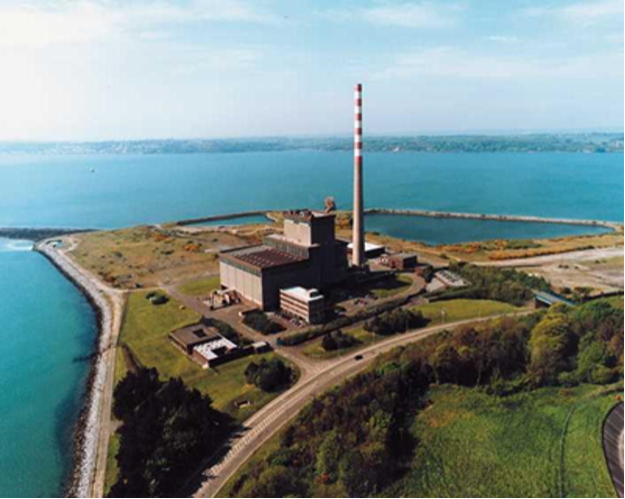
1980 - Aghada Generation Station
Aghada generating station in Cork began producing electricity The station was first commissioned in 1980 at a cost of IR£100 million.
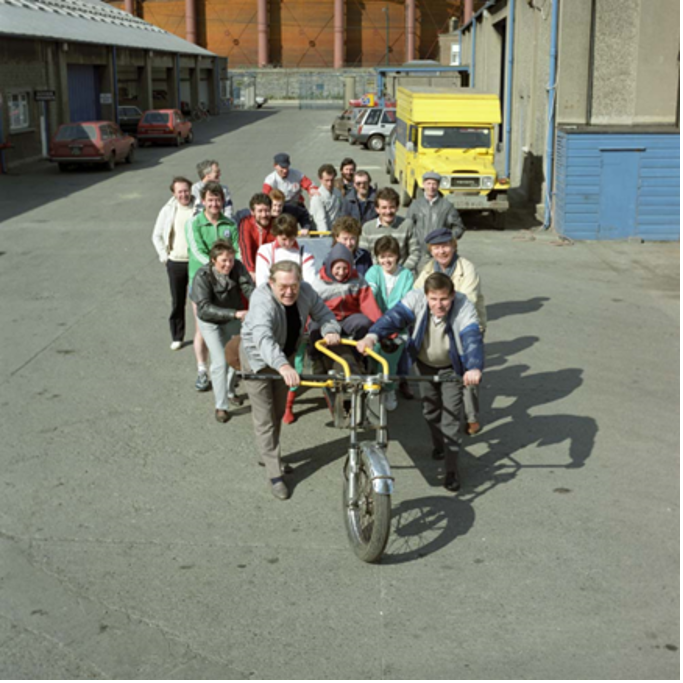
1986 - Pole run
The Pole Run was in aid of Temple St Children’s Hospital on the 40th anniversary of Rural Electrification.
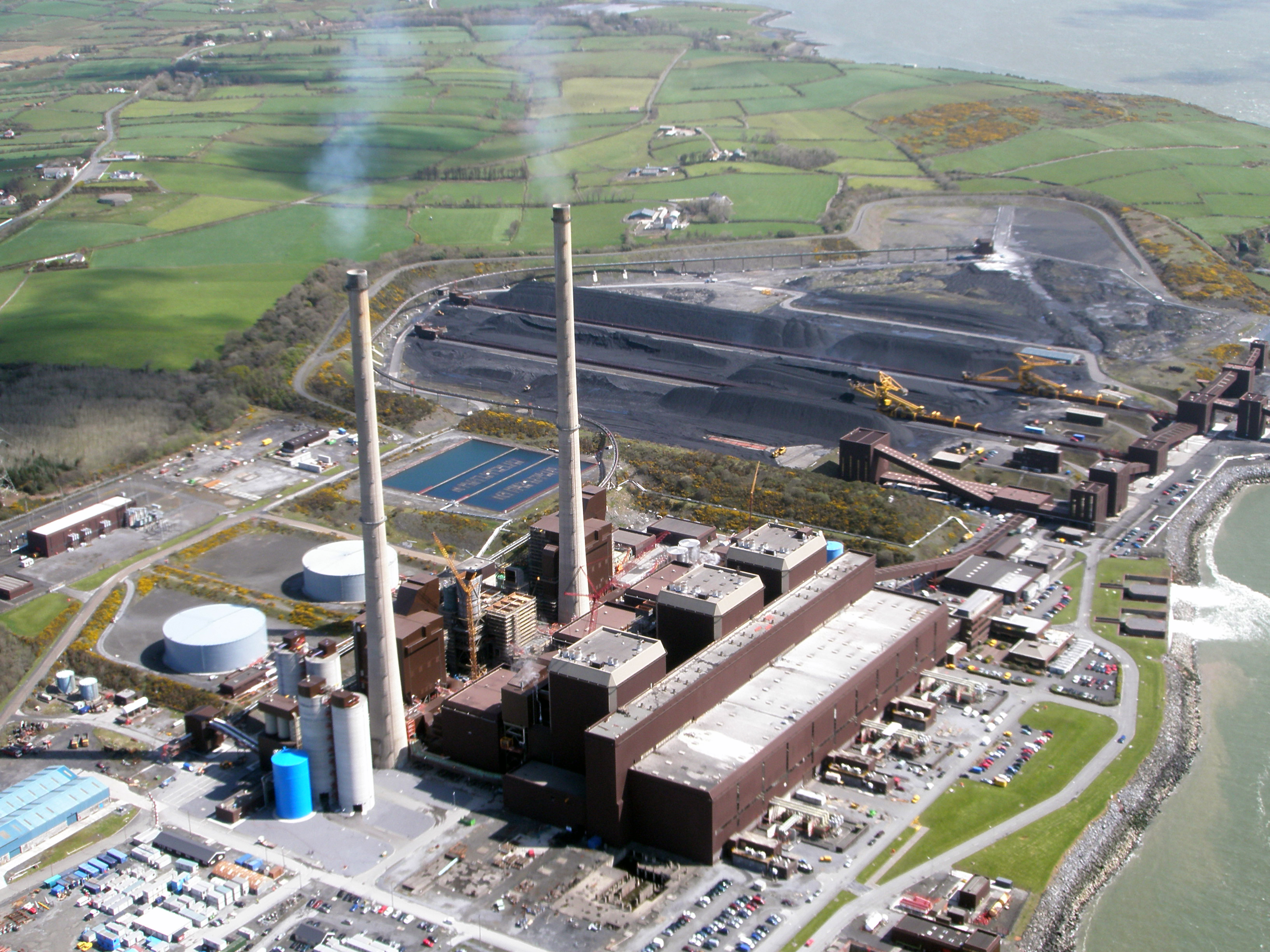
1987 - Moneypoint Generation Station
In the wake of the oil crises in the early 1970s, it is clear that Ireland needs to reduce its dependence on oil as a source of electricity generation. To help address this issue, one of Ireland’s largest stations, Moneypoint, was commissioned. Coal is the primary fuel used to generate electricity at the station, which is located in Co Clare.
1990s
The 1990s were a decade of international expansion and environmental ambition. ESB entered the UK market, opened Ireland's first wind farm, and began laying the groundwork for a greener energy future.
1992 - ESB enters the UK market
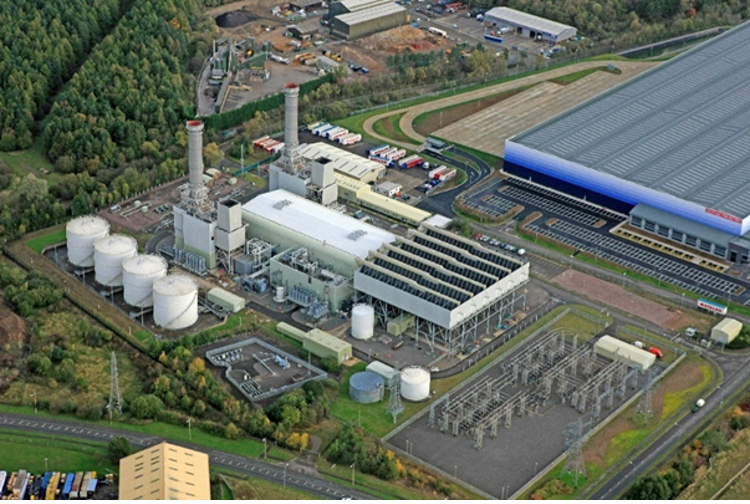
ESB enters the UK market in 1992 with the development of one of the first independent power plants at Corby, Northamptonshire. Since then, ESB has significantly grown its presence across the UK with the diversification into retail (via SO Energy) and roll out of charging infrastructure (ESB Energy). ESB is also developing a number of onshore and offshore projects in Scotland.
1998 - ESB opens its first wind farm
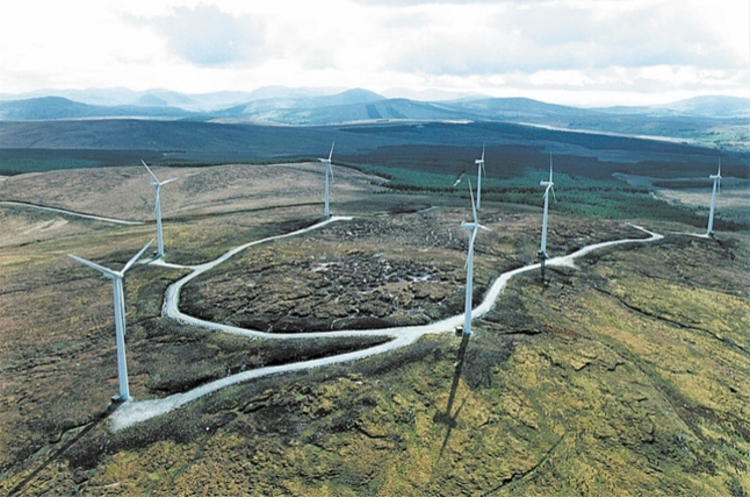
ESB opens its first wind farm at Crockahenny, Co Donegal in 1998. The wind farm has a combined capacity of 5 MW – enough green energy to meet the electricity needs of around 3,000 homes. ESB has since developed a portfolio of renewable assets, complemented by acquisitions and partnerships. ESB now has the capacity to supply 1GW of clean energy to the homes, farms, hospitals, schools, and businesses throughout Ireland and the United Kingdom.
2000s
The early 2000s brought significant investment in generation and market reform. ESB entered the Single Electricity Market, diversified its generation portfolio, and continued growing its presence across the island of Ireland.
2000 - Poolbeg CCGT
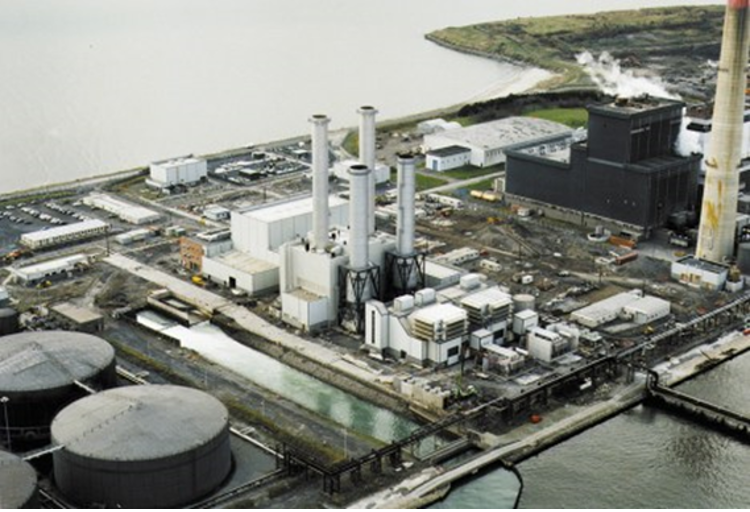
Poolbeg Generating Station was converted to a combined cycle operation along with two waste heat recovery boilers and a 170 MW steam turbine.
2004 - Lough Ree power
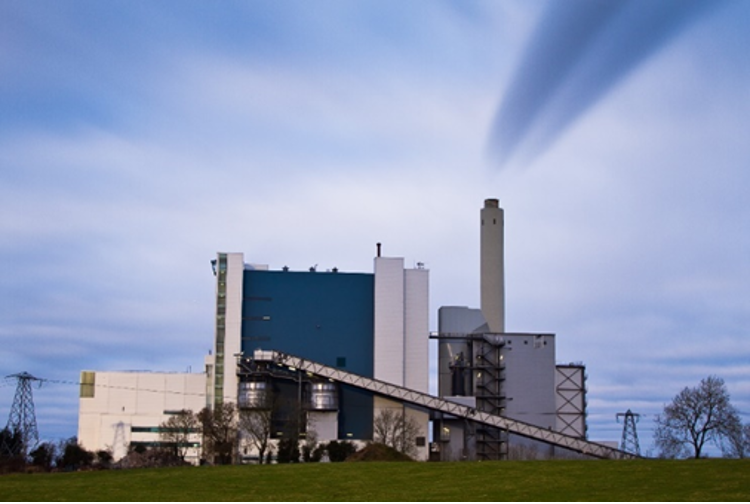
2004 saw the addition of a new 100 MW milled peat burning station to ESB’s generating portfolio. Lough Ree Power, located at Lanesborough in Co. Longford. In the same year, West Offaly Power was also added to the ESB’s generating fleet. This station, located at Shannonbridge in Co. Offaly,
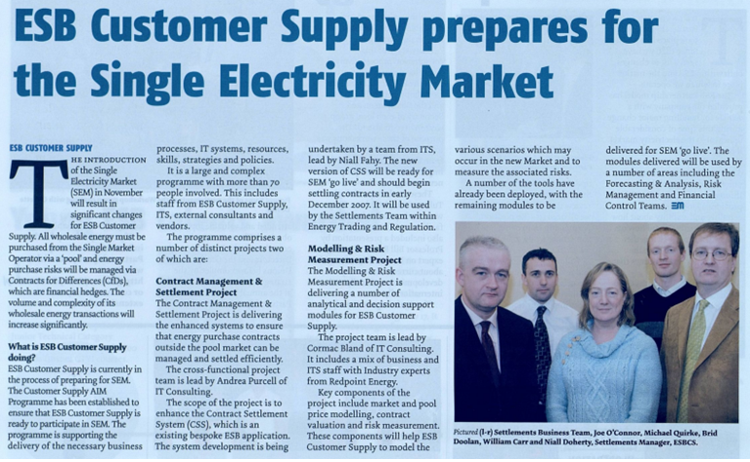
2007 - ESB enters the Single Electricity Market
ESB enters the Single Electricity Market (SEM) On 21 December 2010, ESB concluded the acquisition of NIE, the Northern Ireland electricity networks business, from Viridian Group for Stg£1.2 billion. NIE is responsible for the planning, development, construction and maintenance of the transmission and distribution network and for the operation of the distribution network.
2010s
A transformative decade for ESB. The 2010s saw the launch of ecars, the establishment of Electric Ireland, and major expansion into UK generation and retail markets, all while accelerating the shift toward renewable energy.
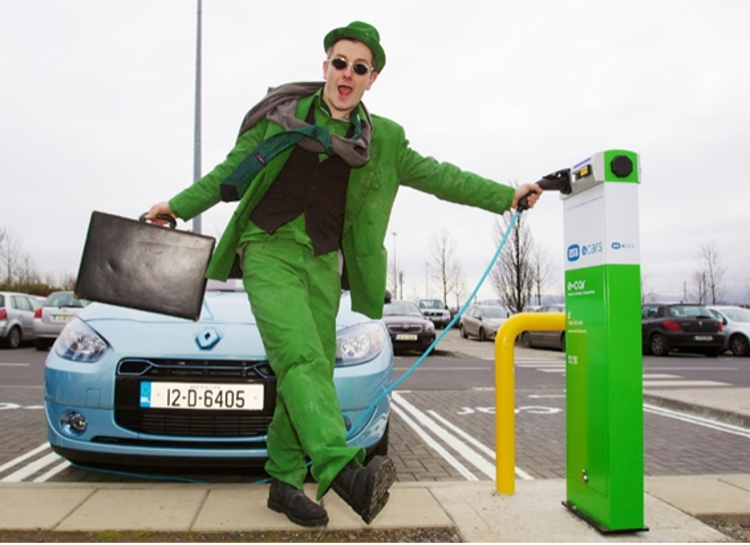
2010 - ESB launches ecars
ESB establishes ecars in 2010 to roll out the charging infrastructure for electric vehicles (EVs) and to support the introduction and demand for EVs nationally. Critical to the take up of electric vehicles is the provision of conveniently positioned charge points across the island of Ireland. There are currently more than 1,400 public charge points across the island of Ireland with the roll out of fast chargers and superhubs to facilitate the increasing uptake of EVs.
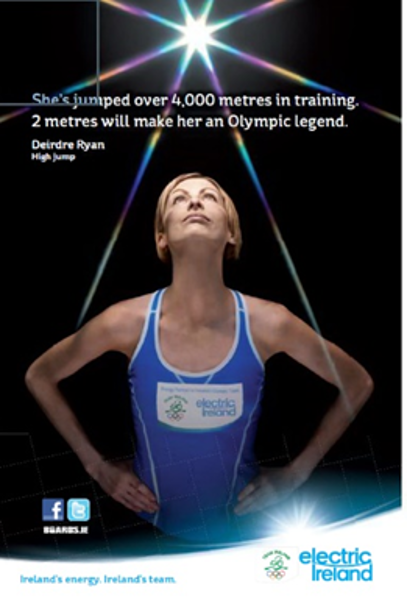
2011 - Electric Ireland is established
Electric Ireland is the retail arm of ESB and operates in all market segments in the Republic of Ireland. Electric Ireland also supplies energy and services to business and residential customers in Northern Ireland. Electric Ireland is now recognised as a leading retail brand by Irish consumers and businesses.
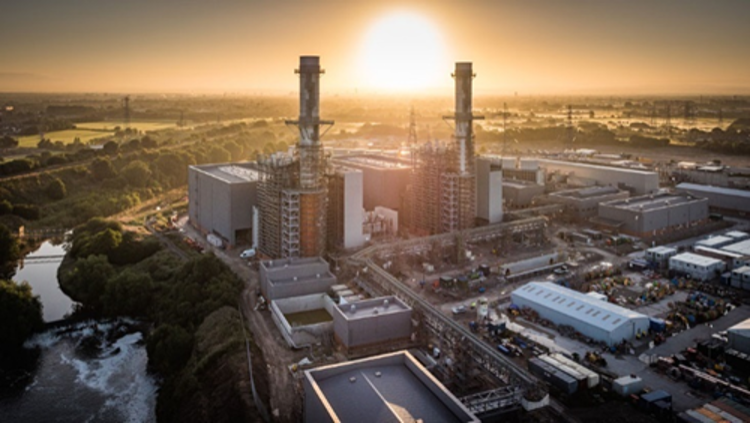
2016 - ESB opens Carrington plant in Manchester
Carrington, located near Manchester, is an 884MW power station, that uses Combined Cycle Gas Turbine (CCGT) technology to generate enough electricity to power more than one million homes and businesses. At 58% efficiency, Carrington is one of the most flexible and efficient plants in the UK, helping to ensure both security of supply and the transition to a low carbon future.
2018 - ESB Enters the UK Retail Market
ESB enters the retail energy market in Great Britain (GB). Trading as ESB Energy, this move into the GB energy market marks a big leap for ESB into a highly competitive, complex energy market. With a wealth of experience and a promise to be the easiest energy company to deal with ESB Energy is attracting many customers with its attractive electricity and gas tariffs. In 2021, ESB acquired a leading UK energy supplier, So Energy, to enhance its position in the UK retail market with the merger resulting in a business serving more than 300,000 customers, with the company continuing to trade as So Energy.
2020s
ESB's most ambitious decade yet, committed to achieving net zero by 2040, the 2020s are defined by large-scale renewable projects, battery storage investment, and the gradual retirement of fossil fuel generation.
2020 - ESB announce Net Zero 2040 strategy
ESB announced its Net Zero by 2040 strategy — one of the most ambitious decarbonisation targets of any European utility. The strategy commits ESB to exiting fossil fuel generation and achieving net zero carbon emissions across its operations a full decade ahead of national climate targets.
2022 - Green Atlantic project
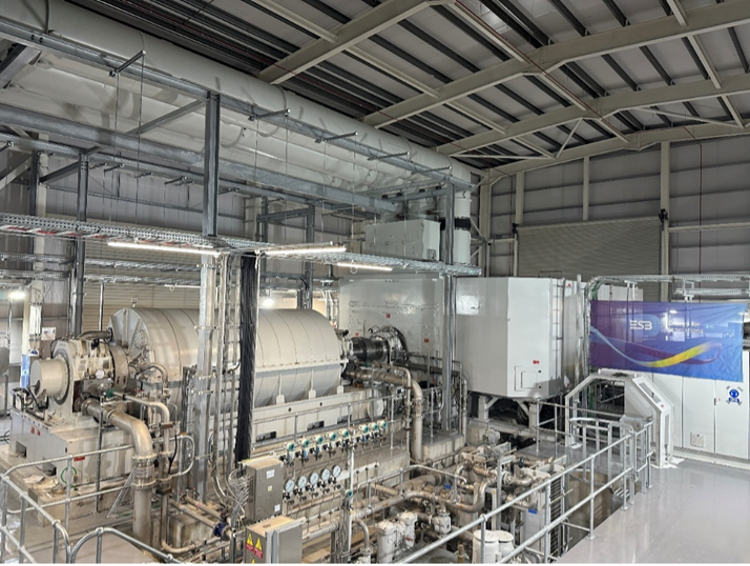
Synchronous Compensator comes online at Moneypoint as part of Green Atlantic project