The Rural Scheme
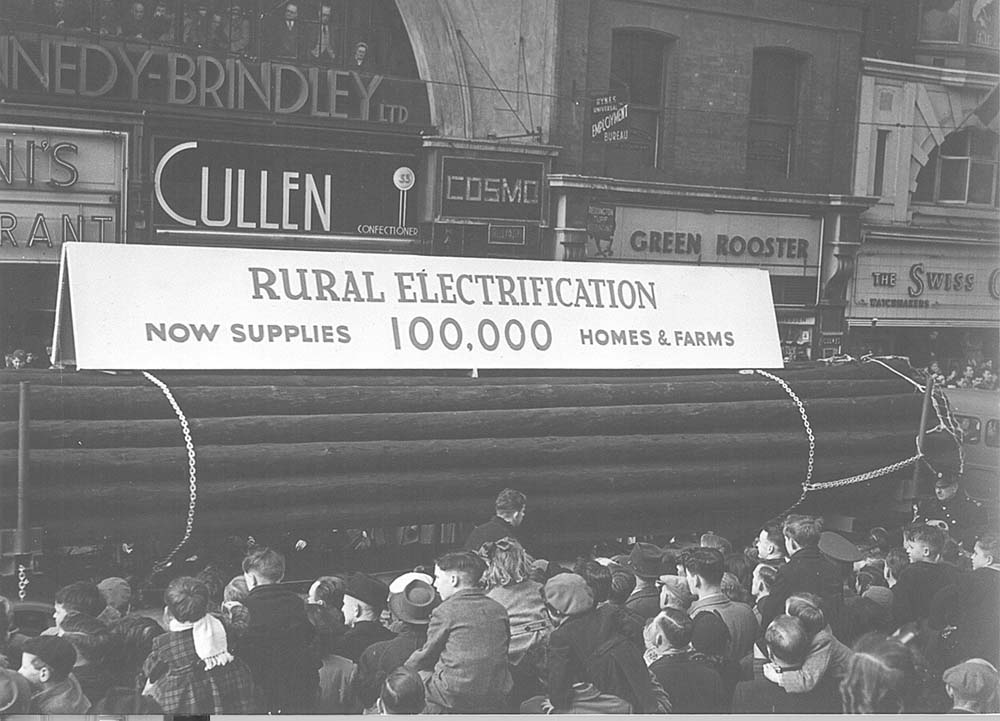
Launched in 1946, the Rural Electrification Scheme transformed everyday life across Ireland, bringing electricity to 792 rural areas.

What was the Rural Scheme?
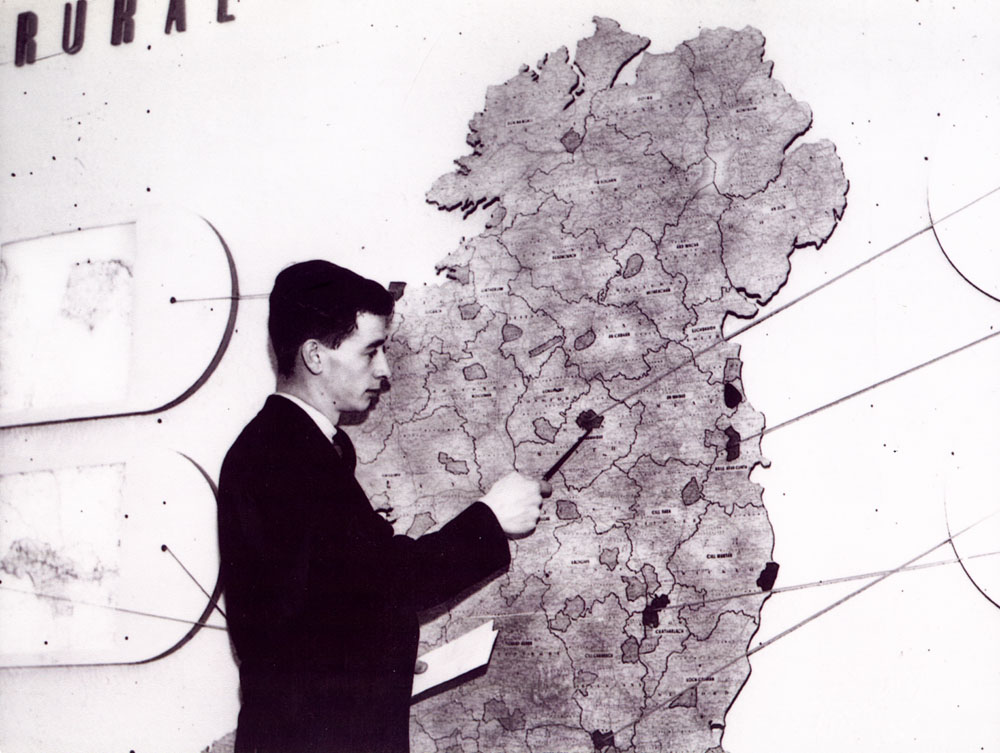
The first phase of the Rural Electrification Scheme was implemented between 1946 and 1965. Every county was divided into ‘rural areas’ of about 25 square miles, which were typically based on Parish boundaries, rather than geographic location. The 26 counties of rural Ireland were divided into a total of 792 rural areas, in ten districts.
Key Facts
-
792 rural areas
Country-wide roll out
To roll out the scheme, Ireland was divided into a rural areas across 10 districts.
-
50,000 miles
Miles of line strung
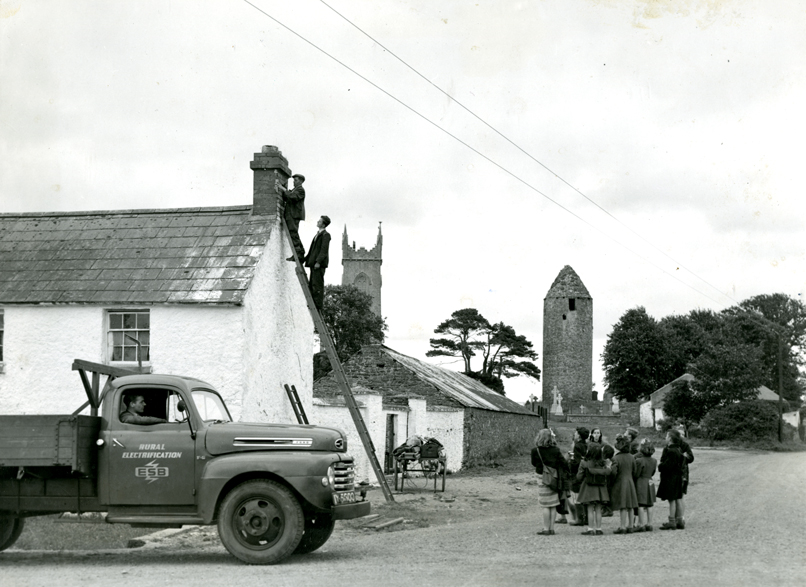
By 1964 there was over 50,000 miles of line strung to connect the rural regions across the country.
-
1 million
New poles exceeded
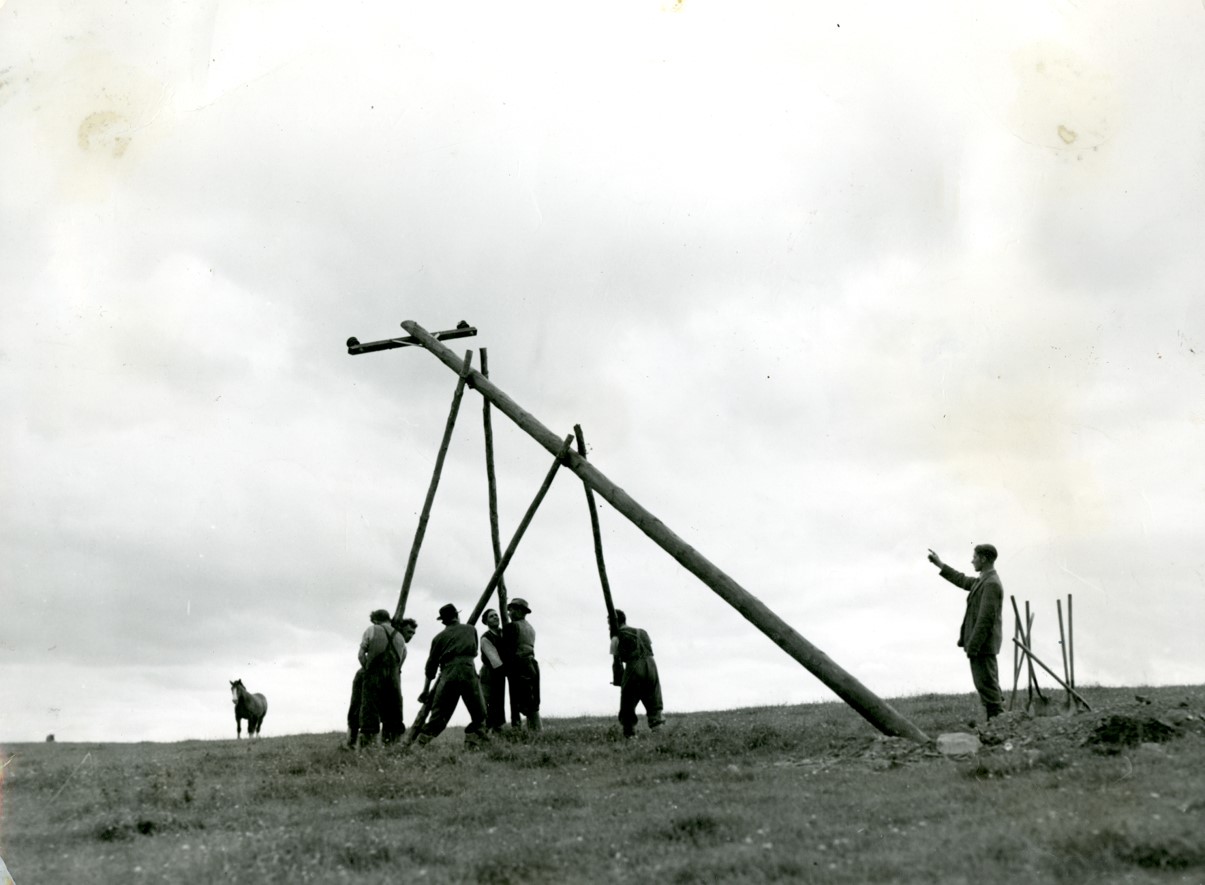
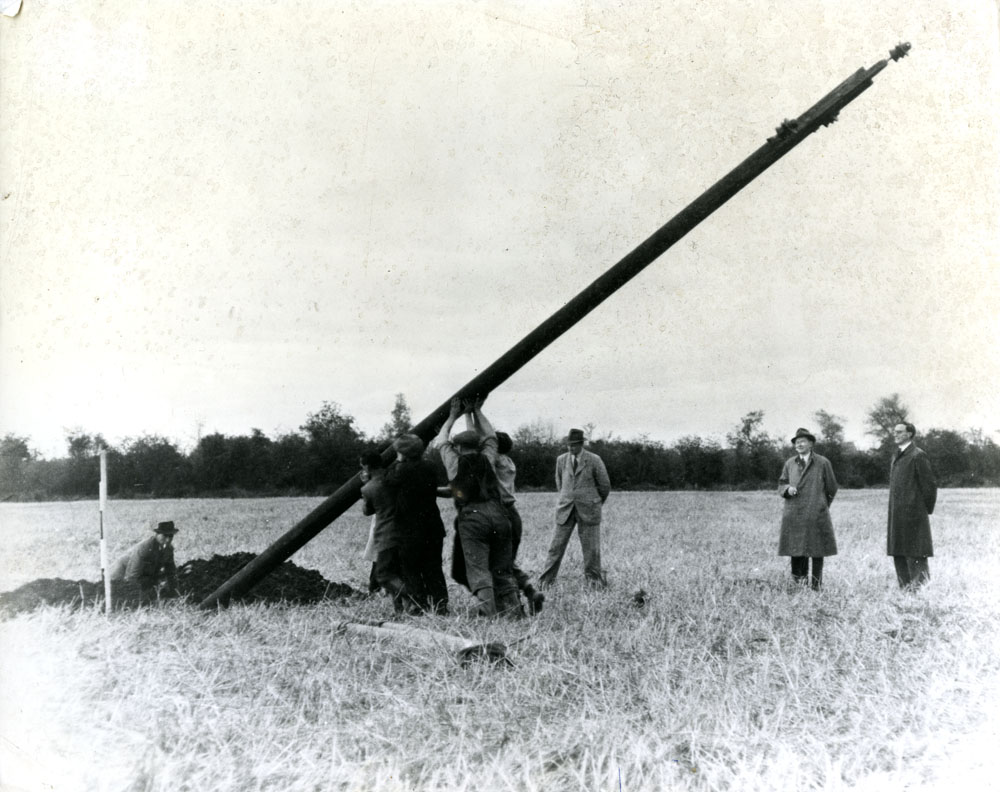
Between 1946 and 1964 over 1 million electrical poles were erected to support the lines.
Photo Gallery
How it worked
Implementation
Follow the rollout of rural electrification, from the first pole erected in Dublin to the final connections in remote Kerry.
Life before and after
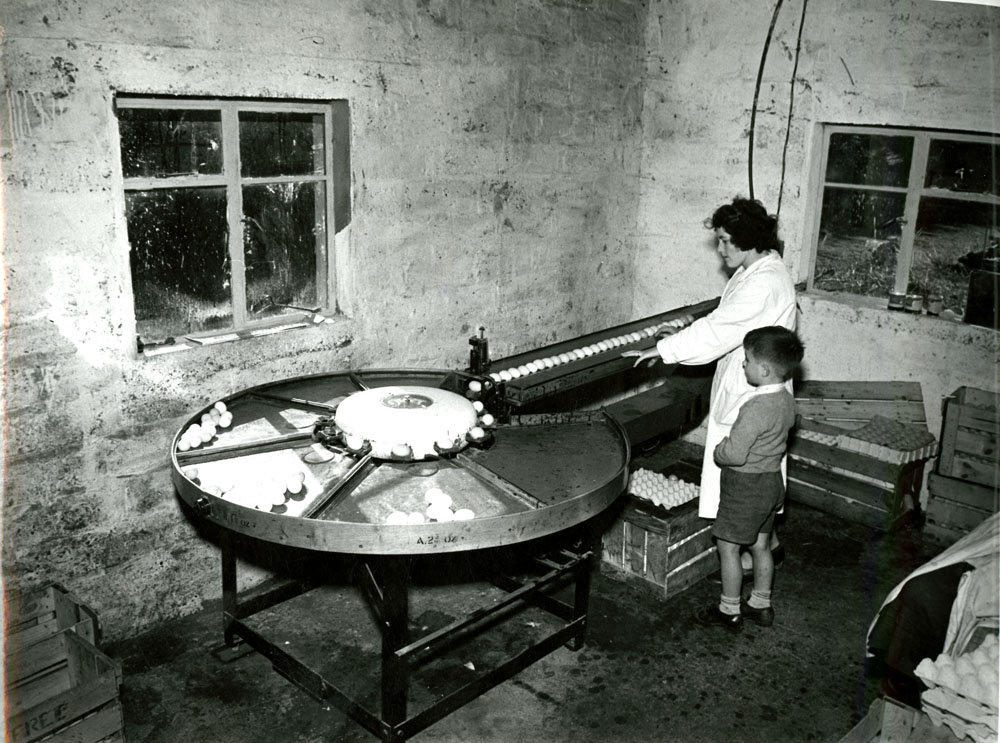
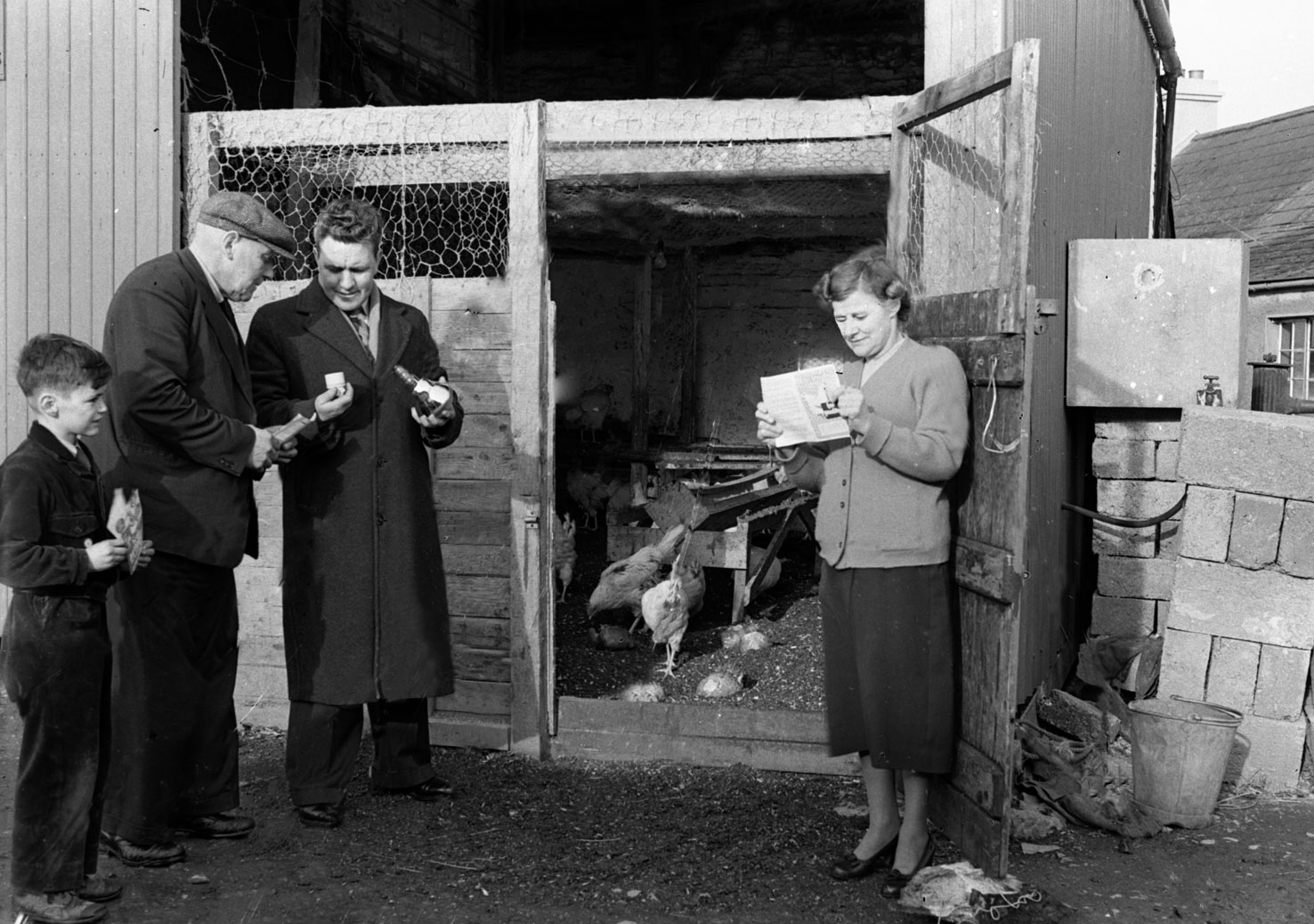
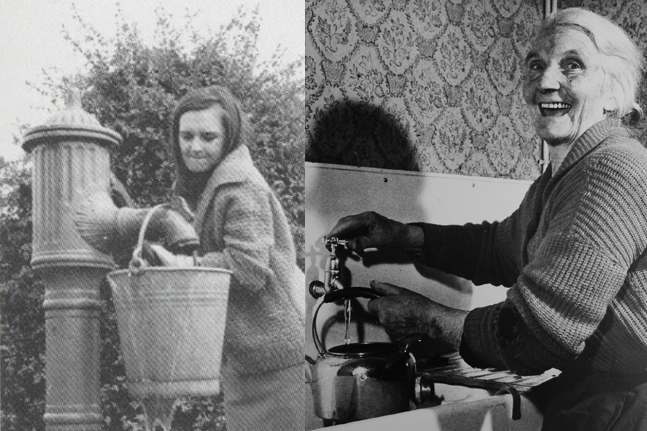
From oil lamps and hand pumps to appliances and modern farming, discover the impact of rural electrification.
Summary of the process
Follow the step-by-step process of bringing electricity to a rural area.
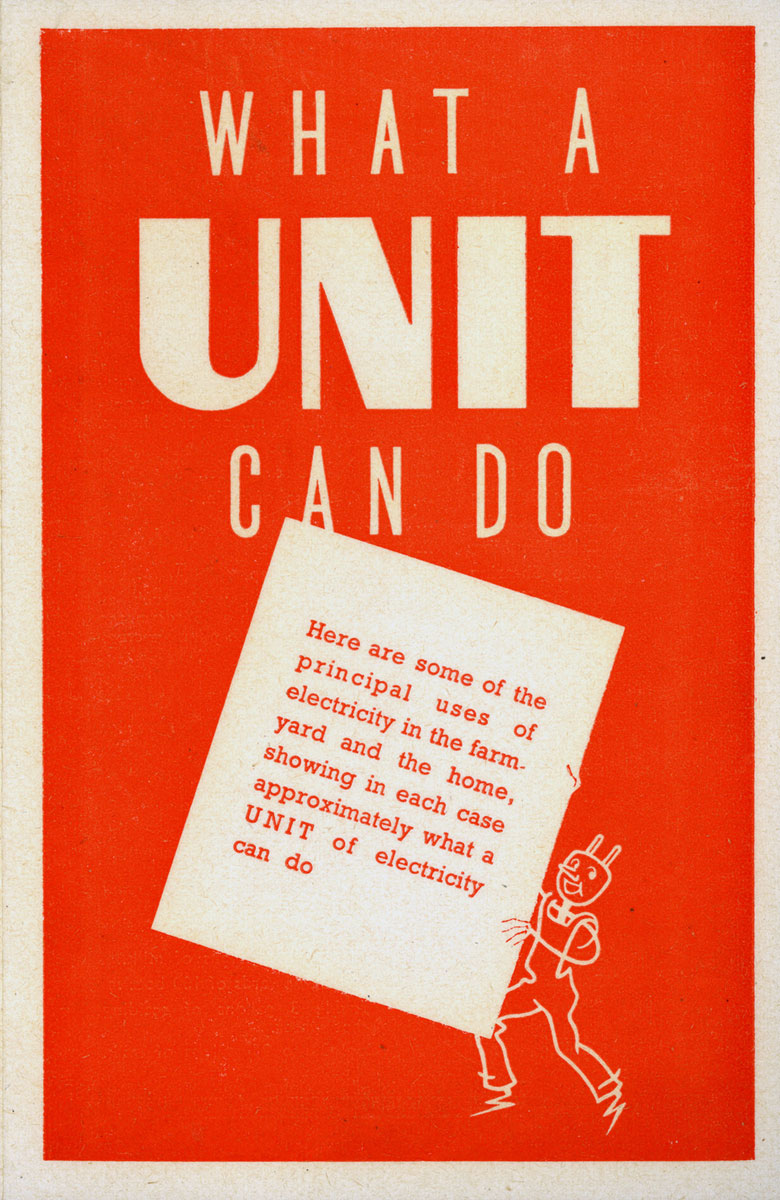
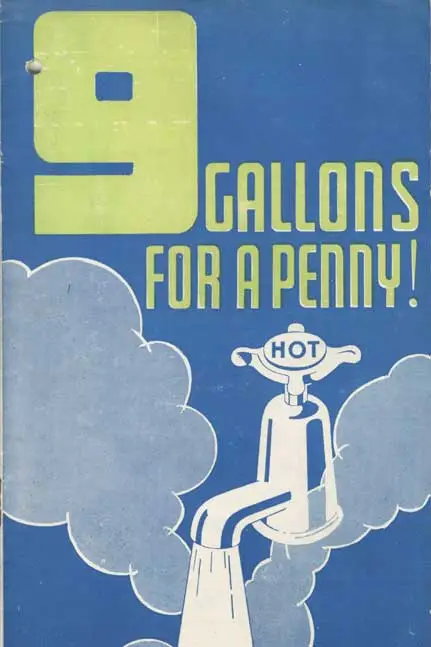
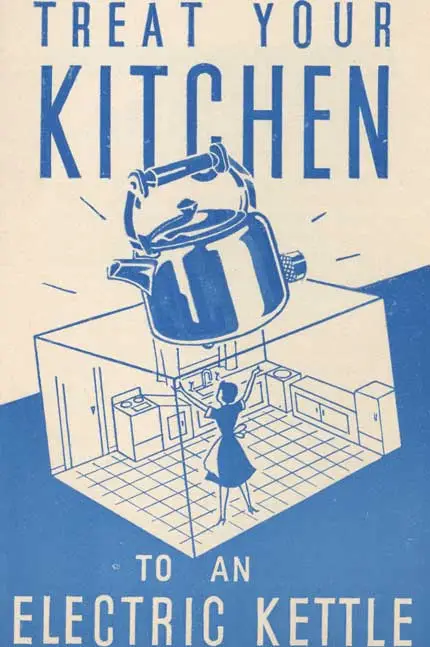
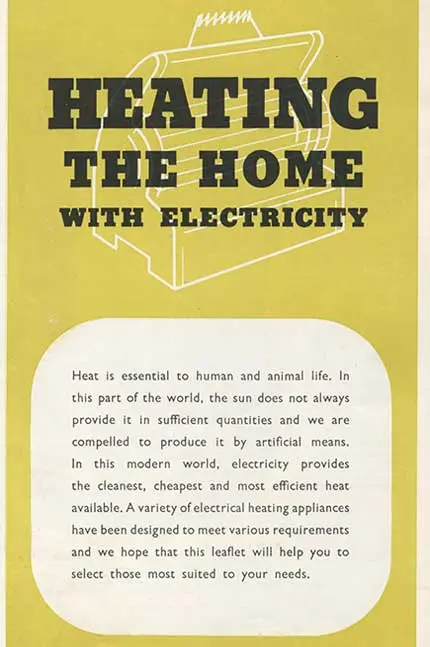
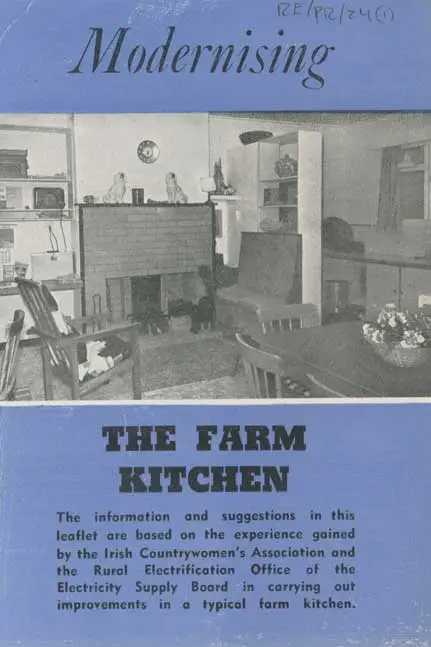
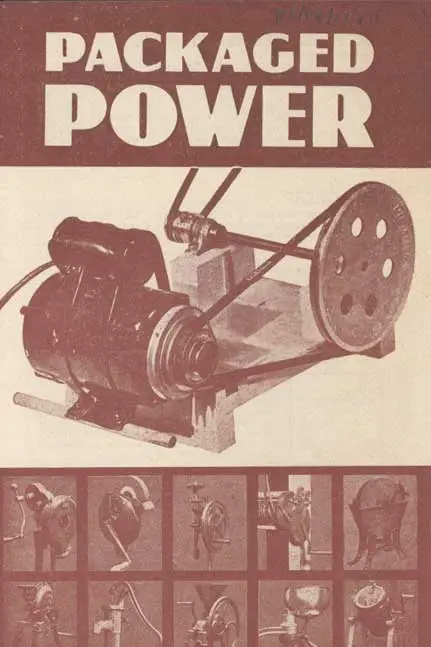
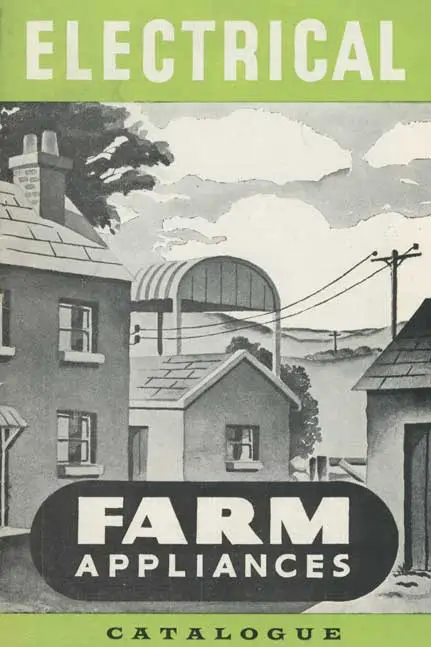
Pamphlet library
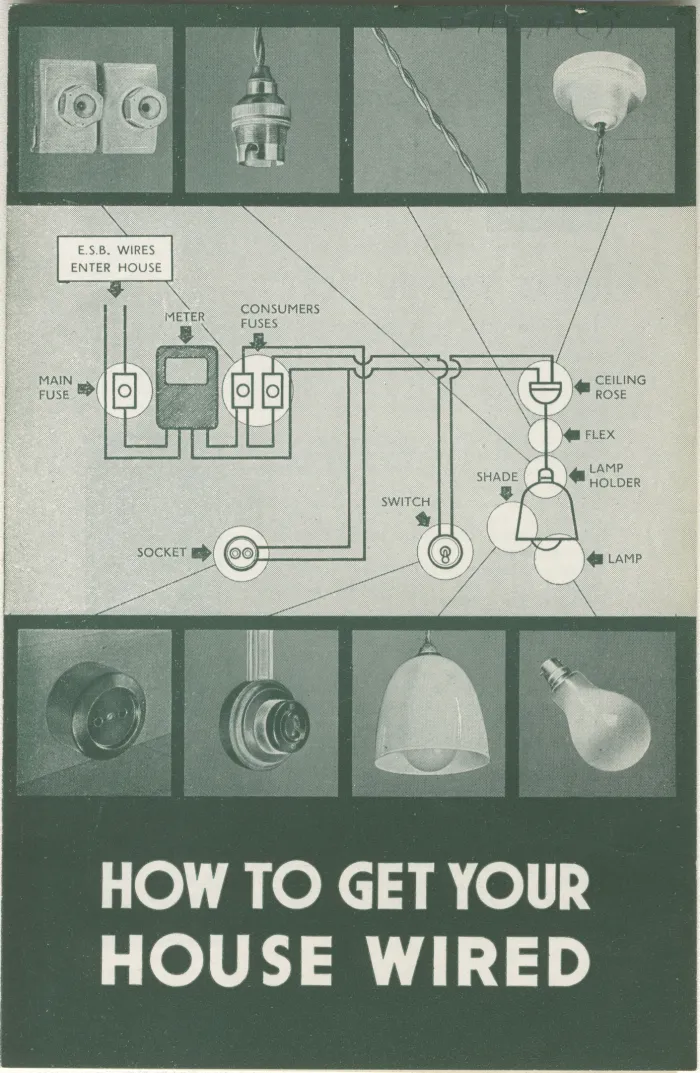
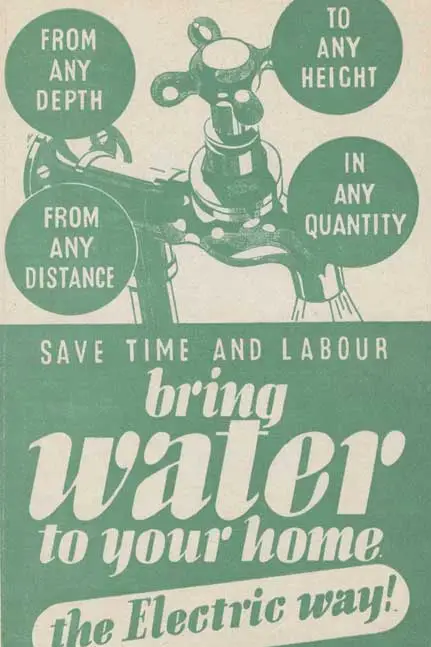
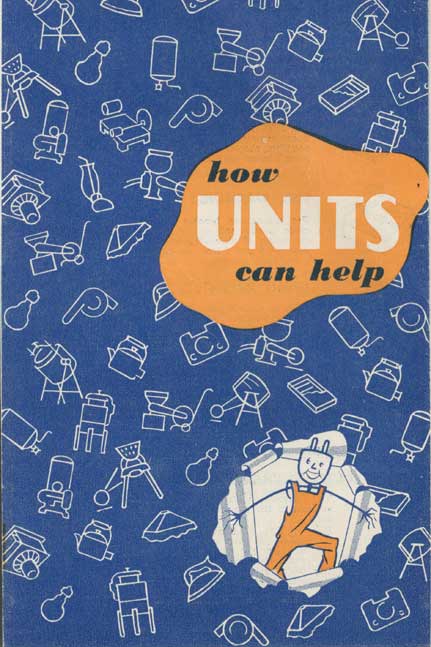
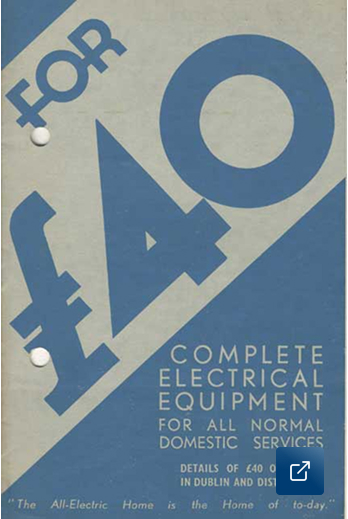
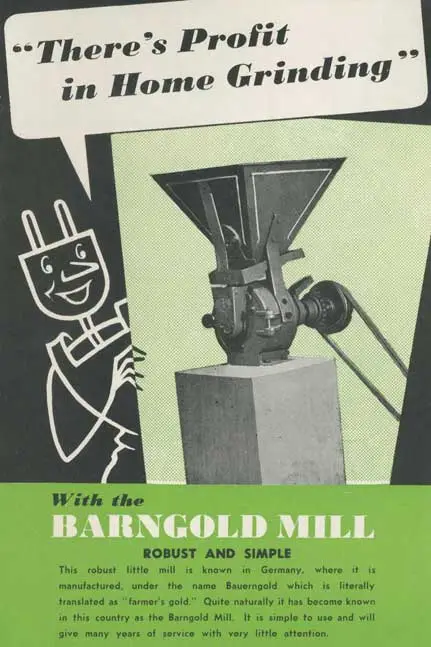
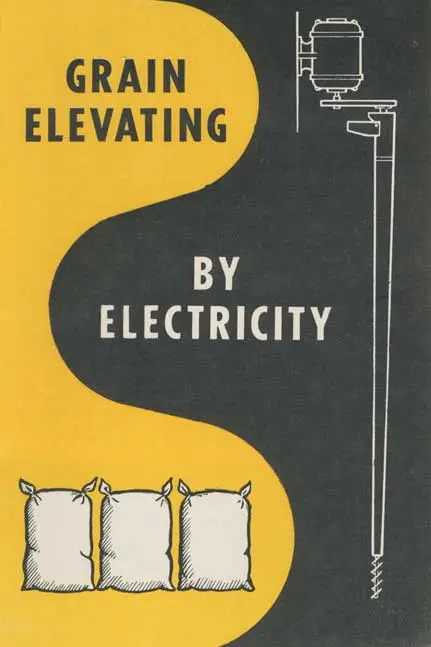
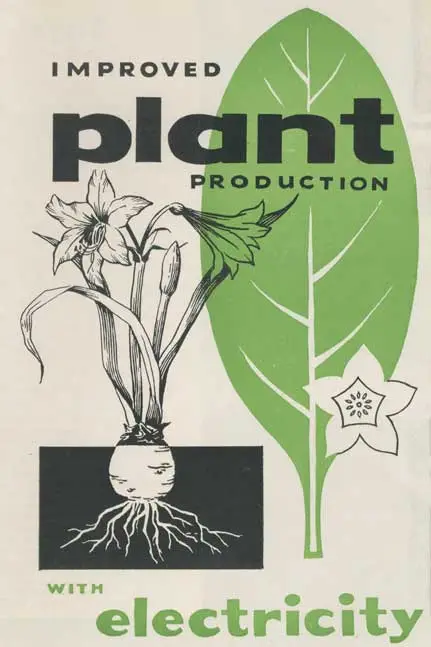
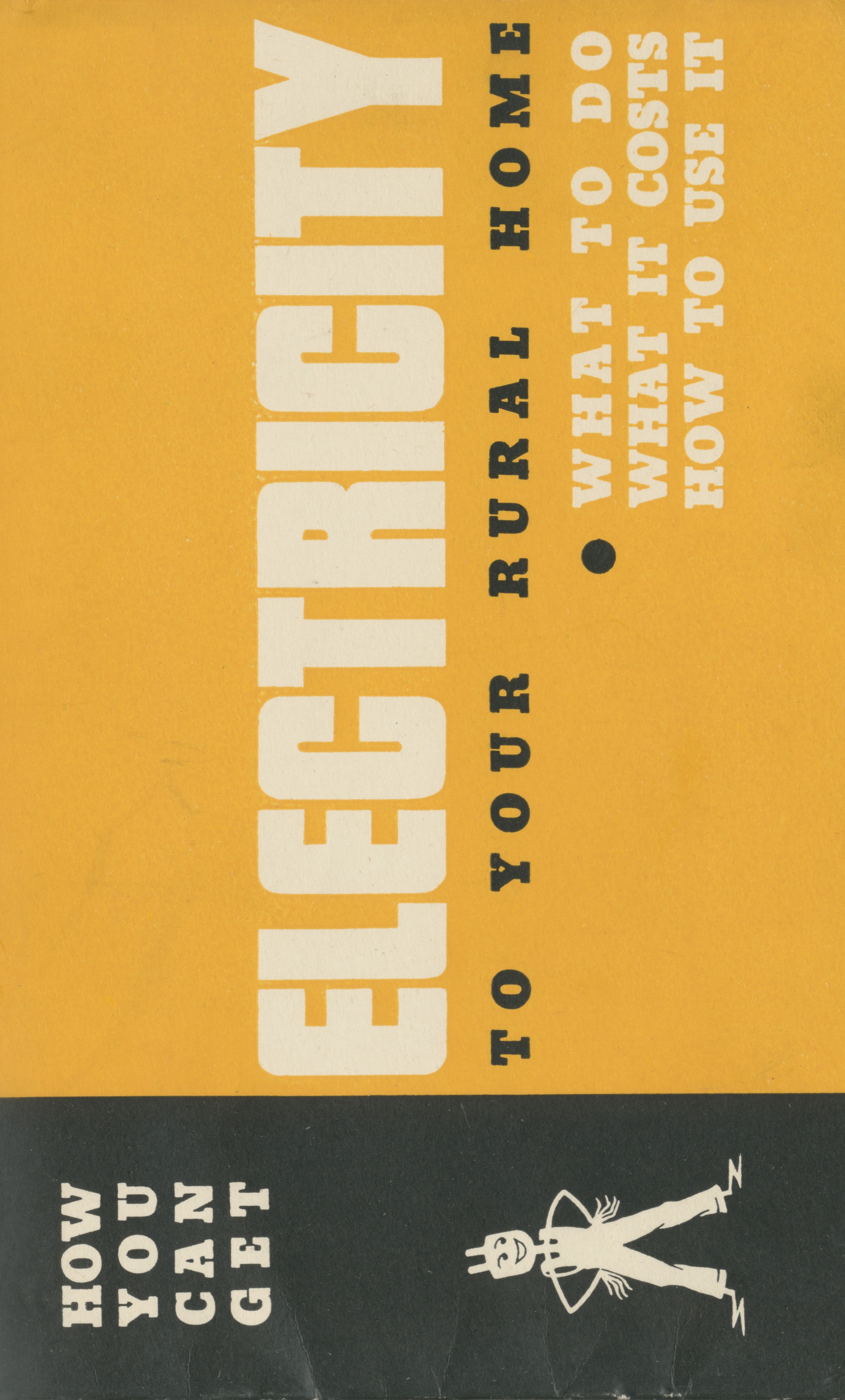
Community Rollout
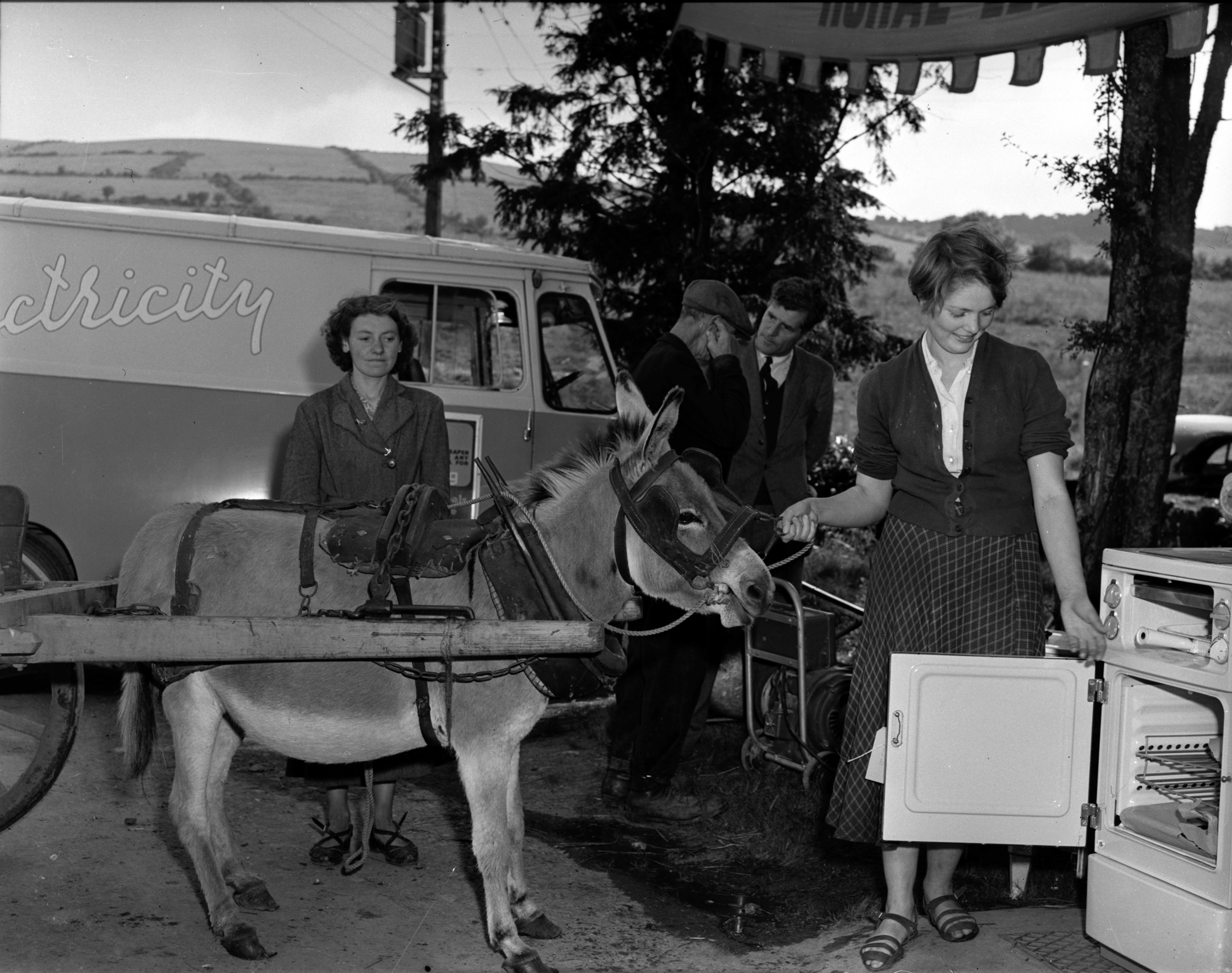
The roll out of the Rural Electrification Scheme was very much a community affair.
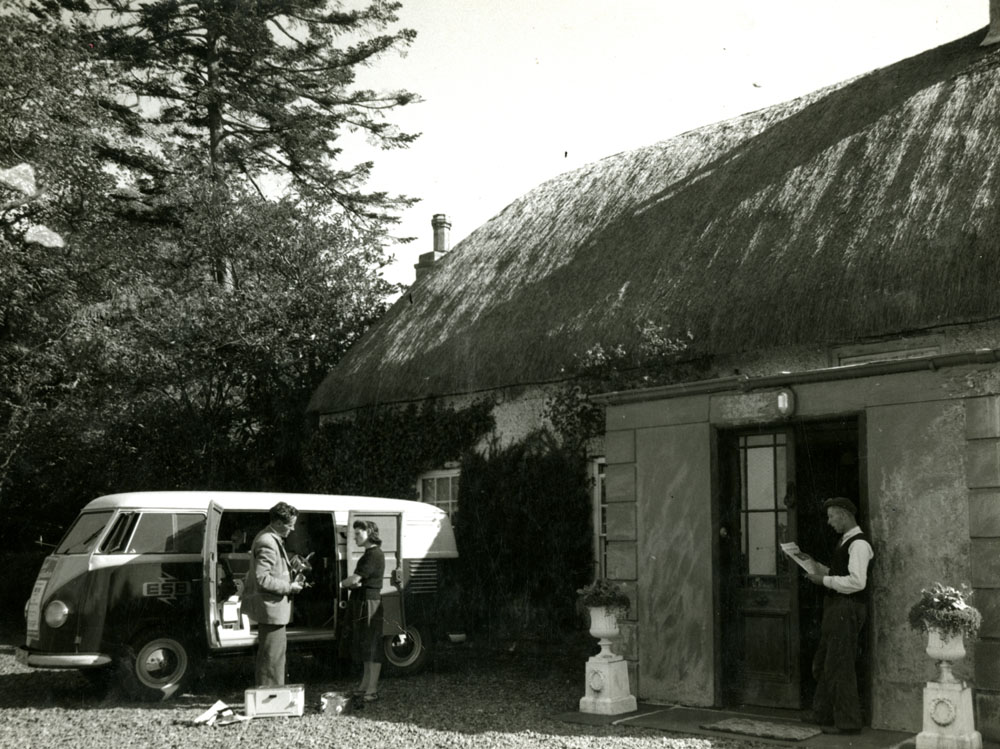
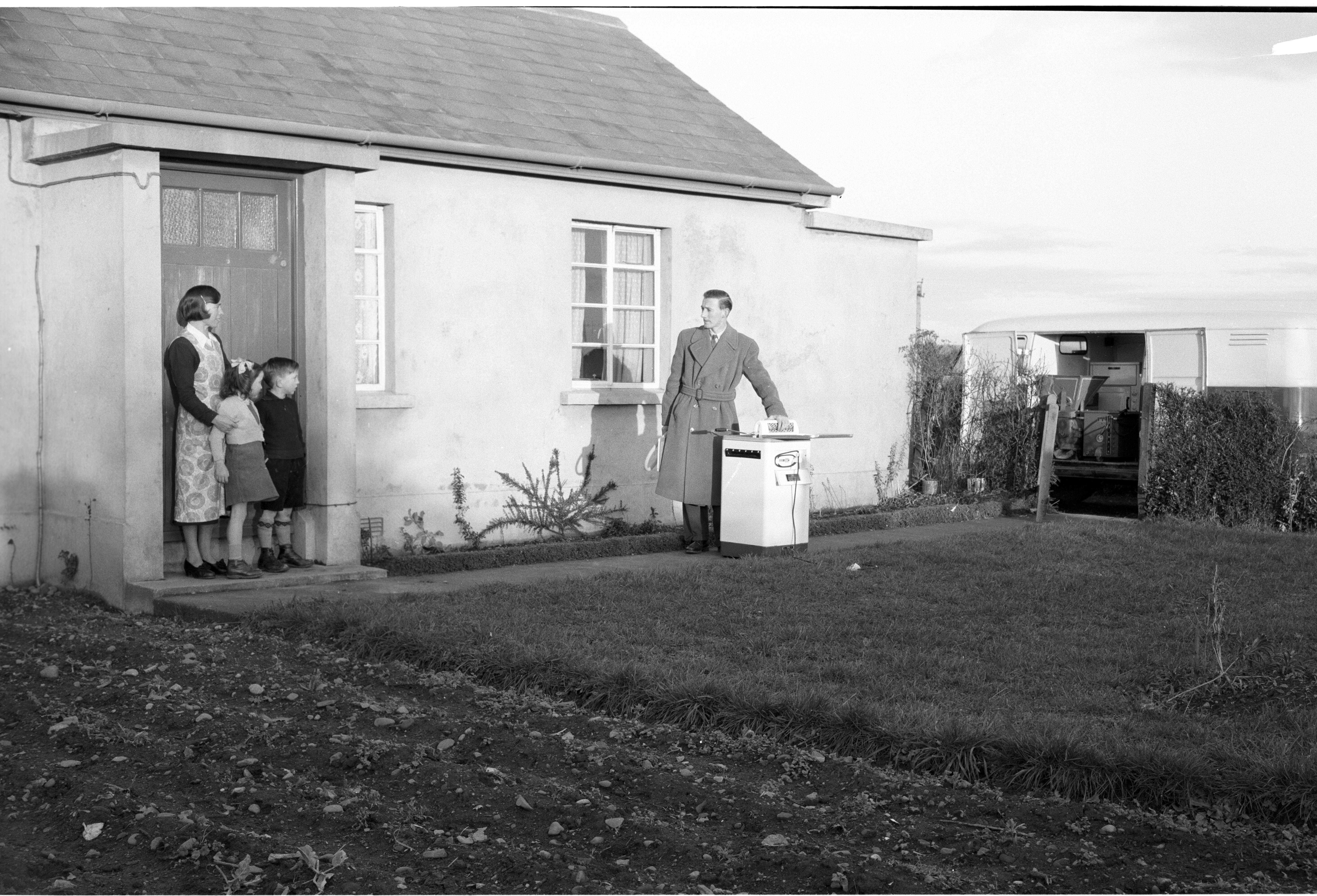
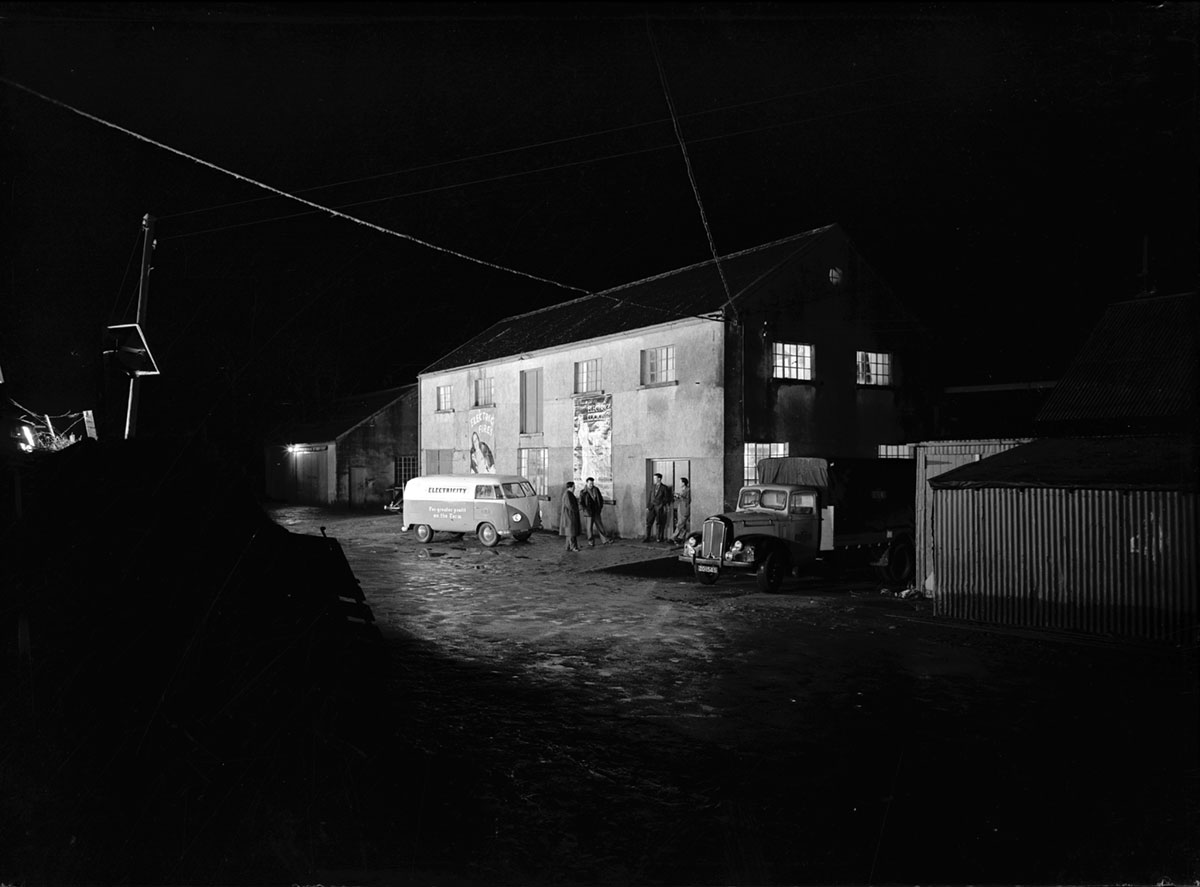
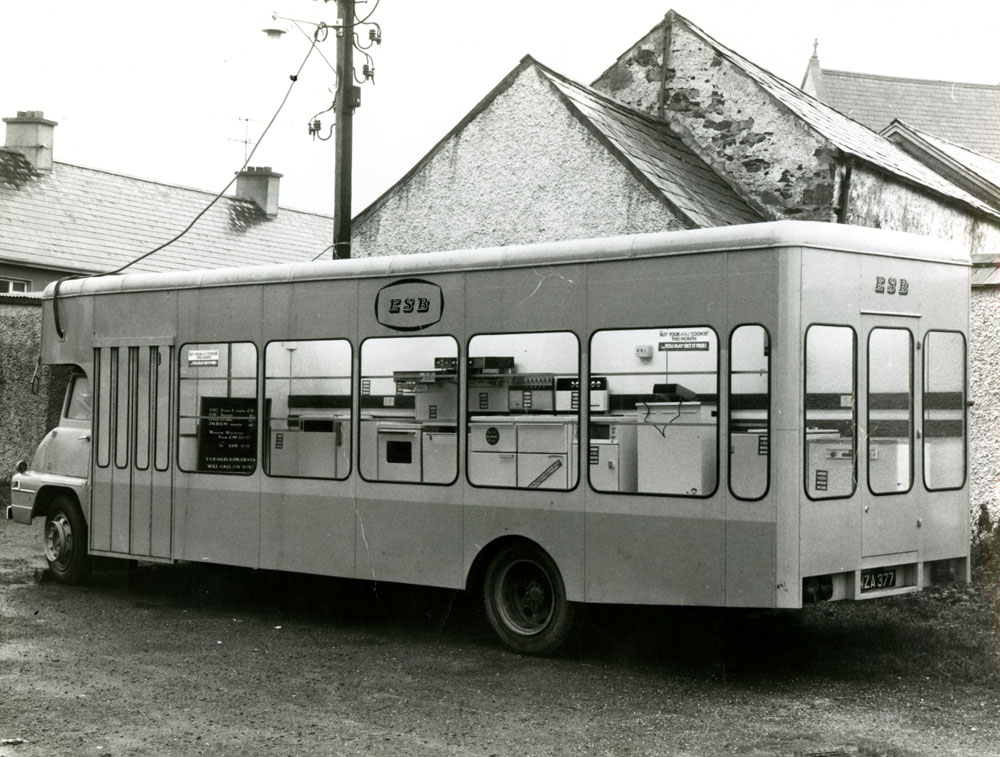
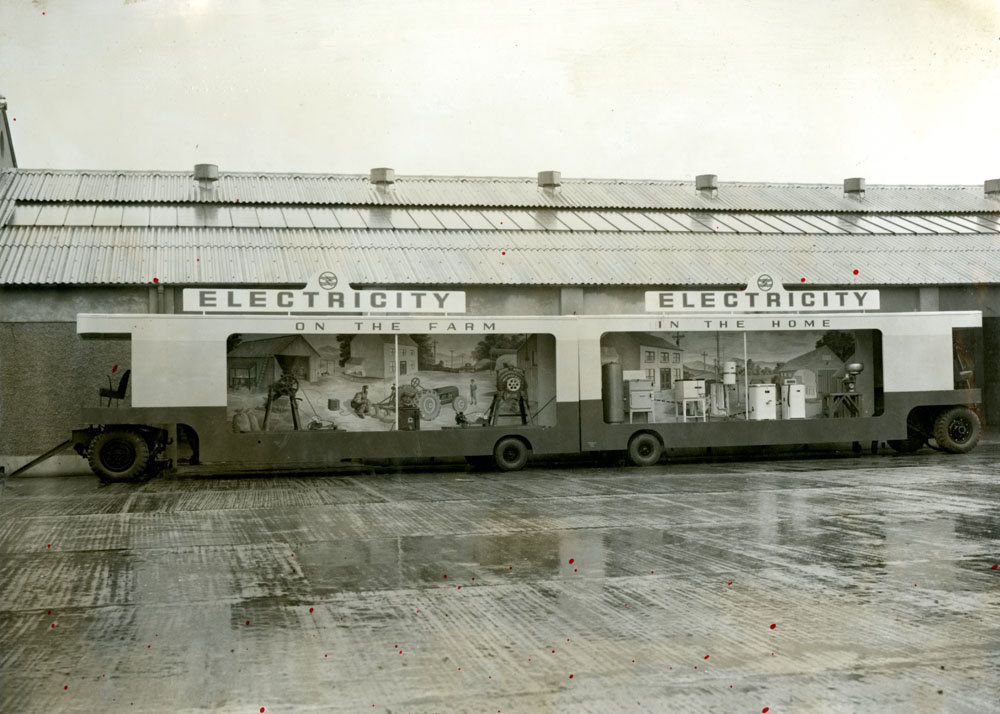
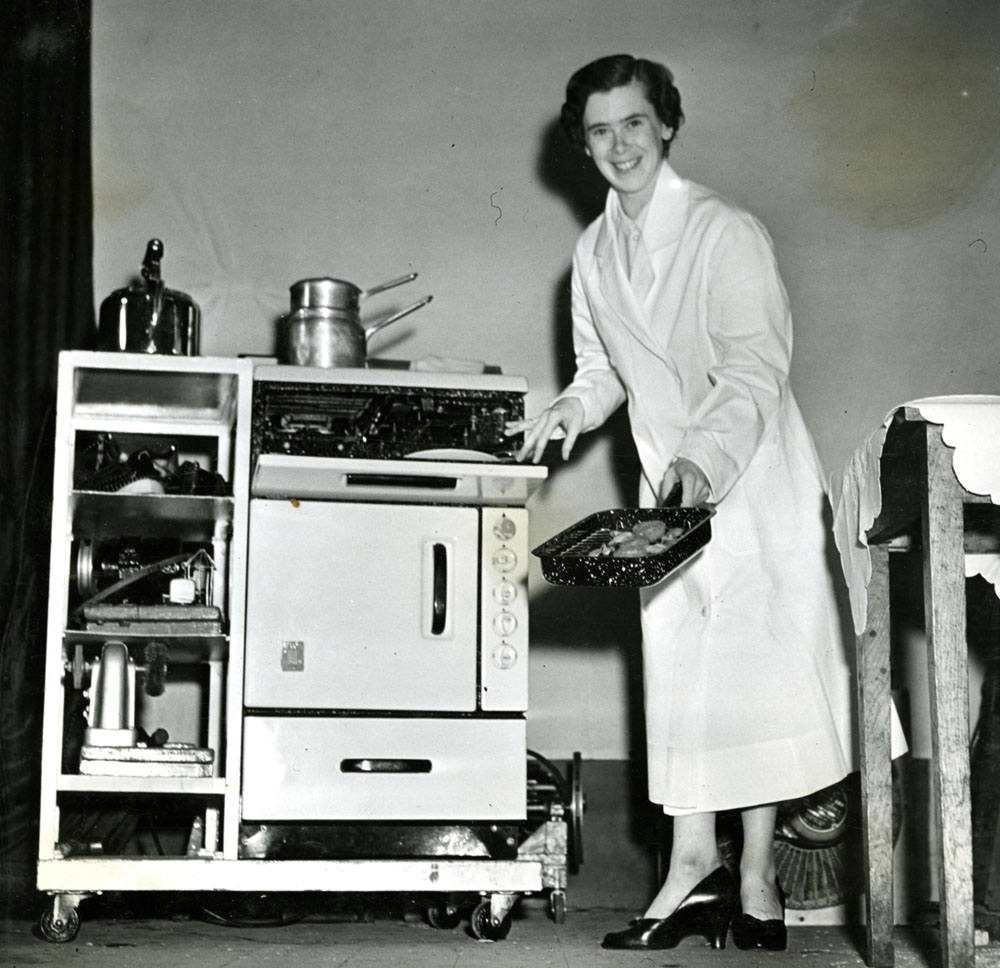
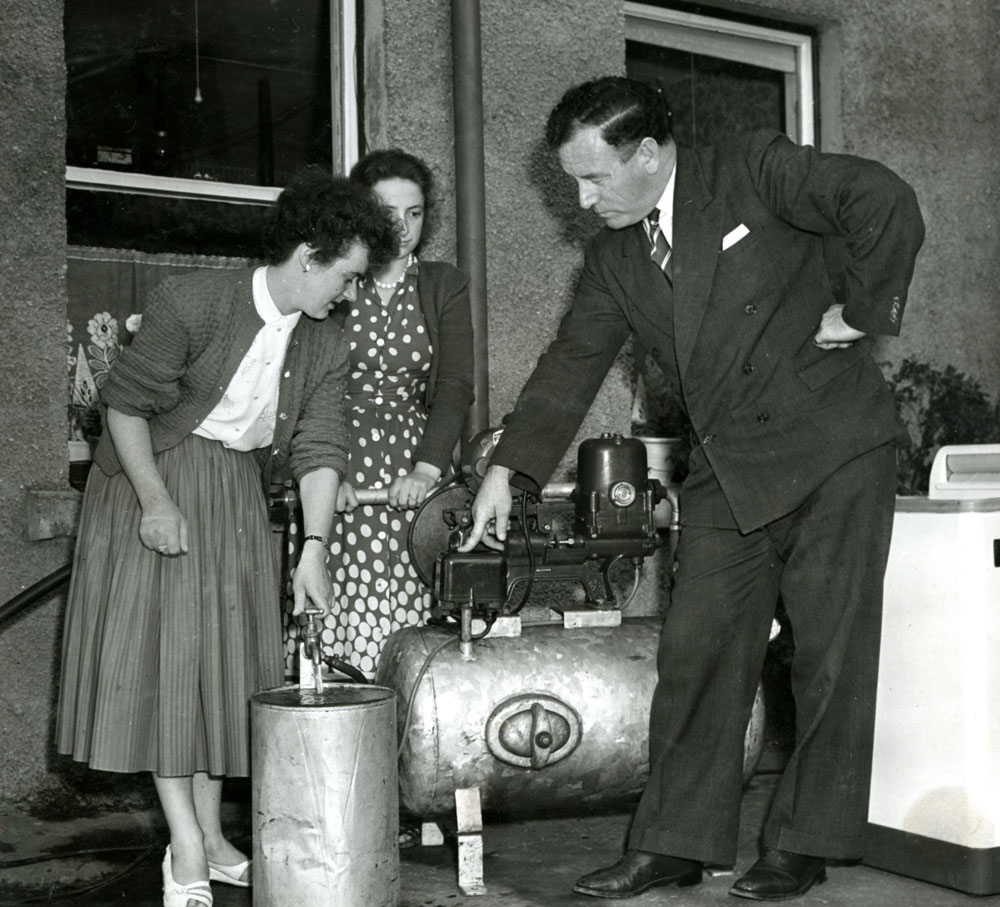
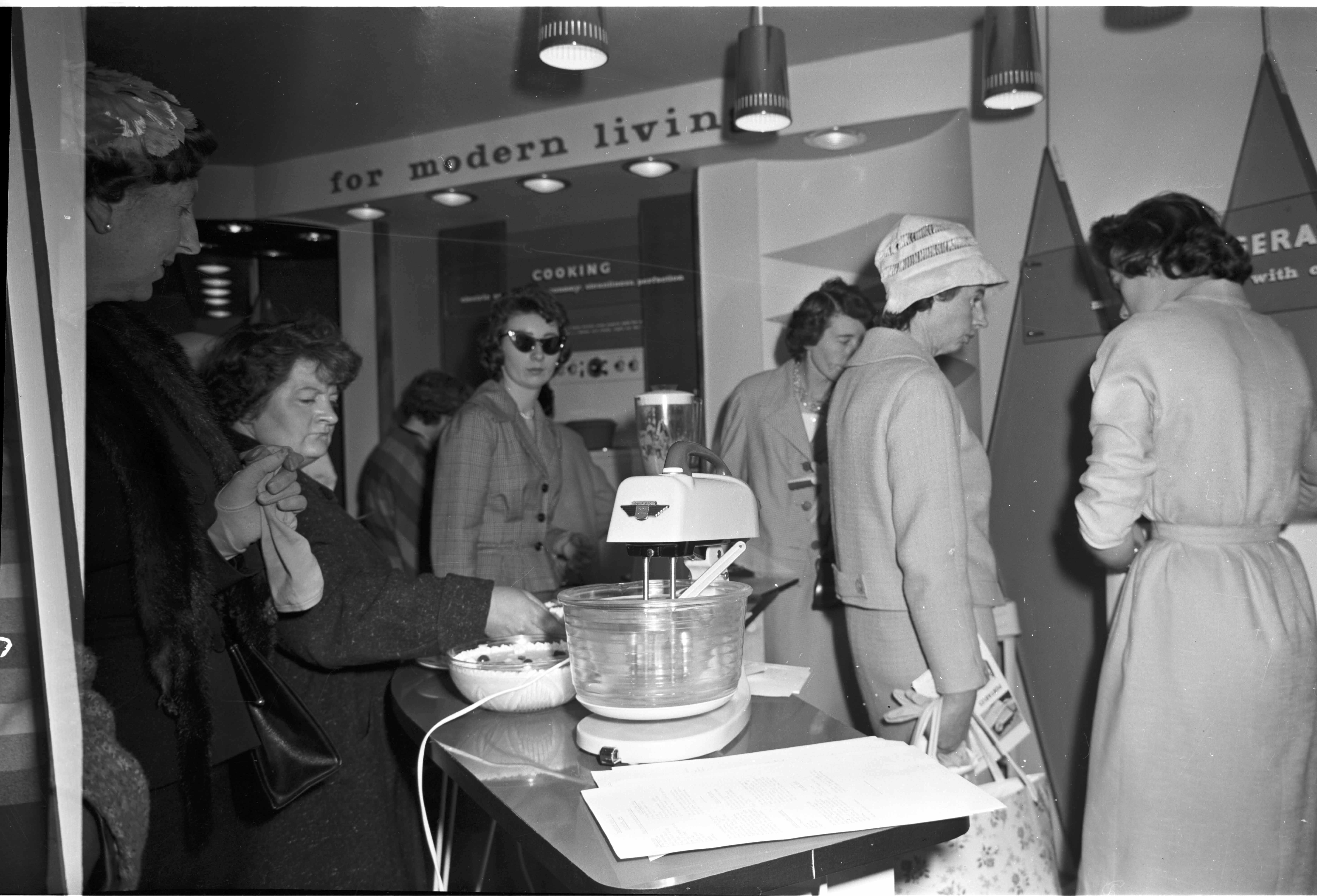
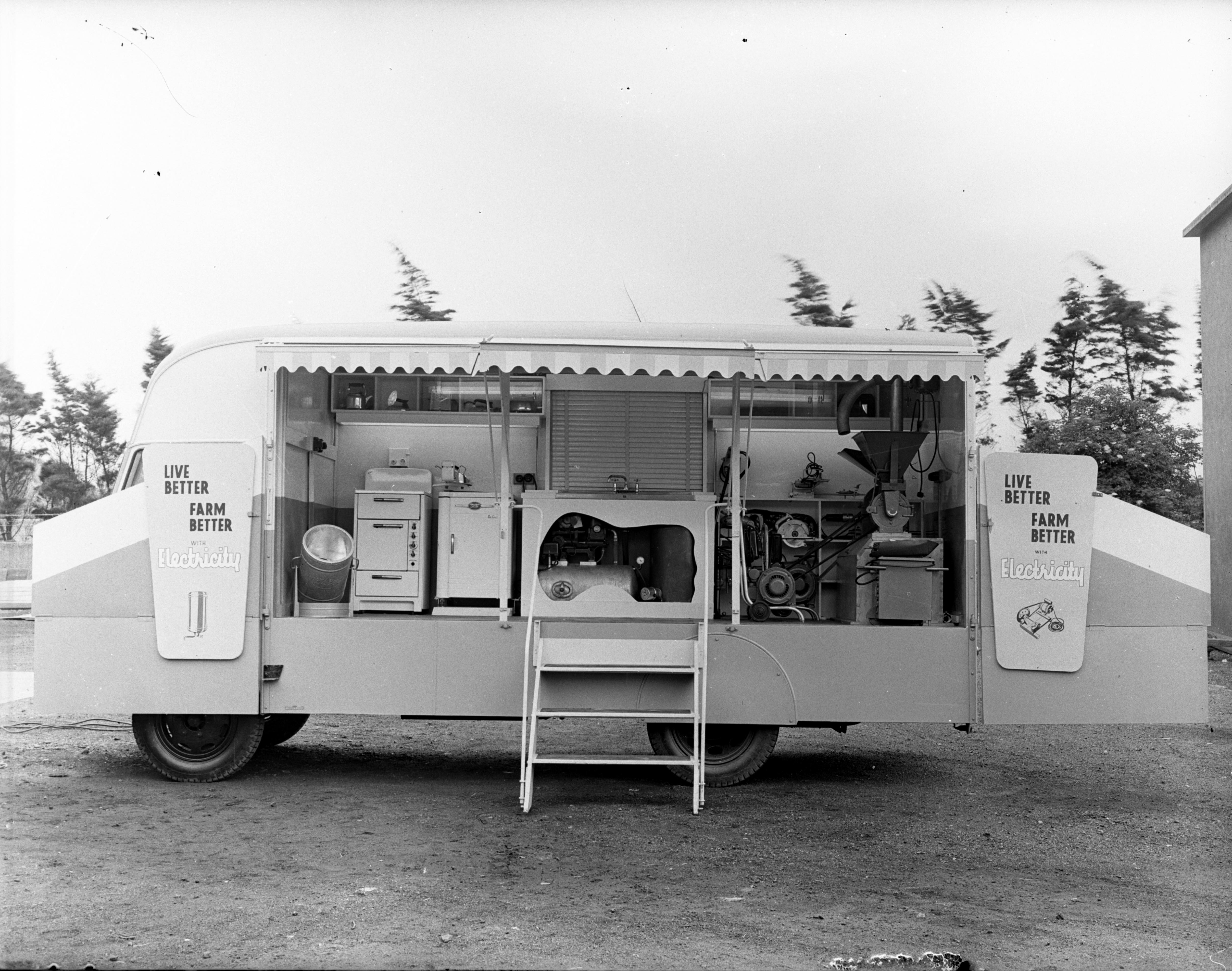
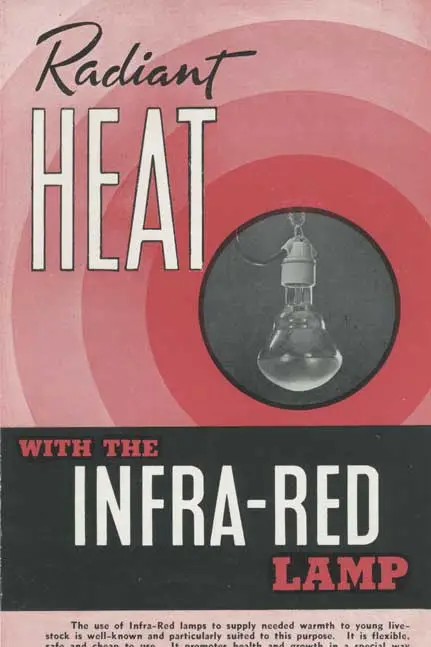
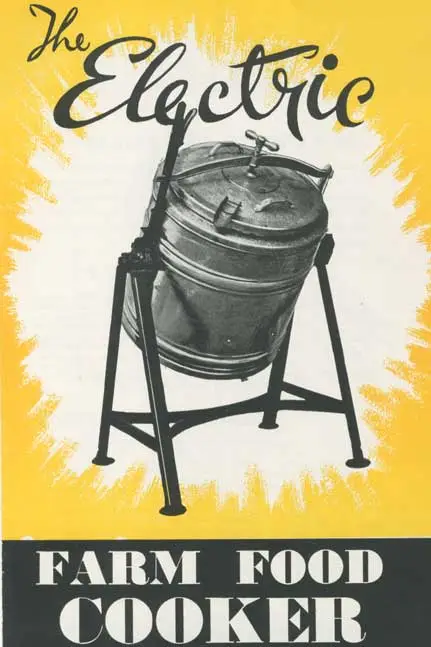
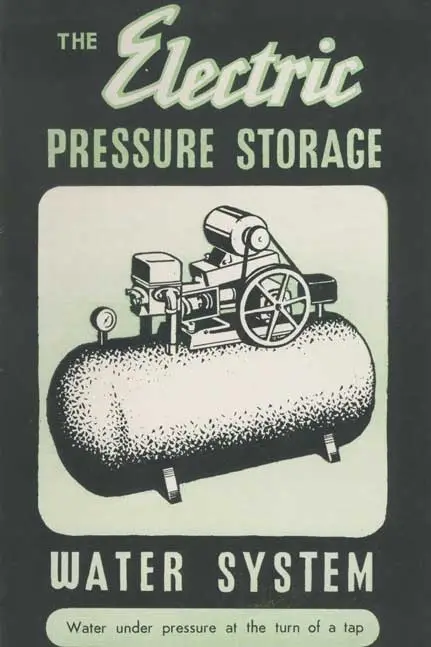
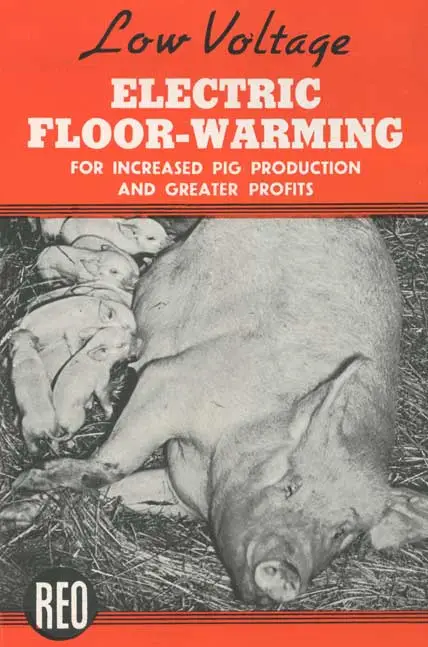
ESB organised demonstrations and exhibitions showing the benefits of electrifying
your home and farm in community events that would convince people to sign up to be
connected to the network.
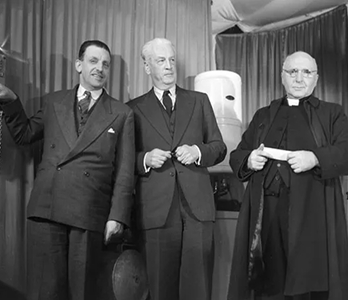
Switch on Ceremony
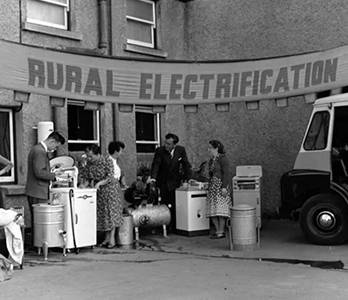
Demonstrations and Exhibitions
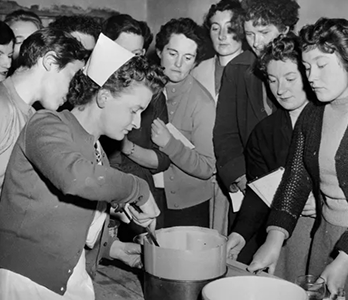
Voluntary Organisations
Roles and functions
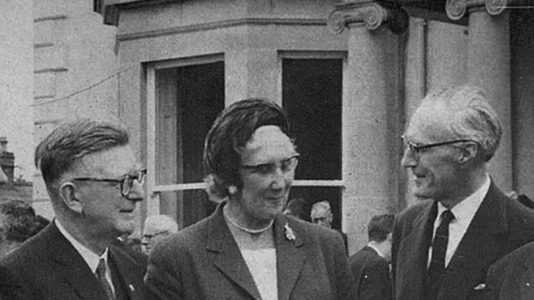
The rural pioneers